Missing since August 15, 1984
Shlomo Jamous
1932 — 1984#BringShlomoHome
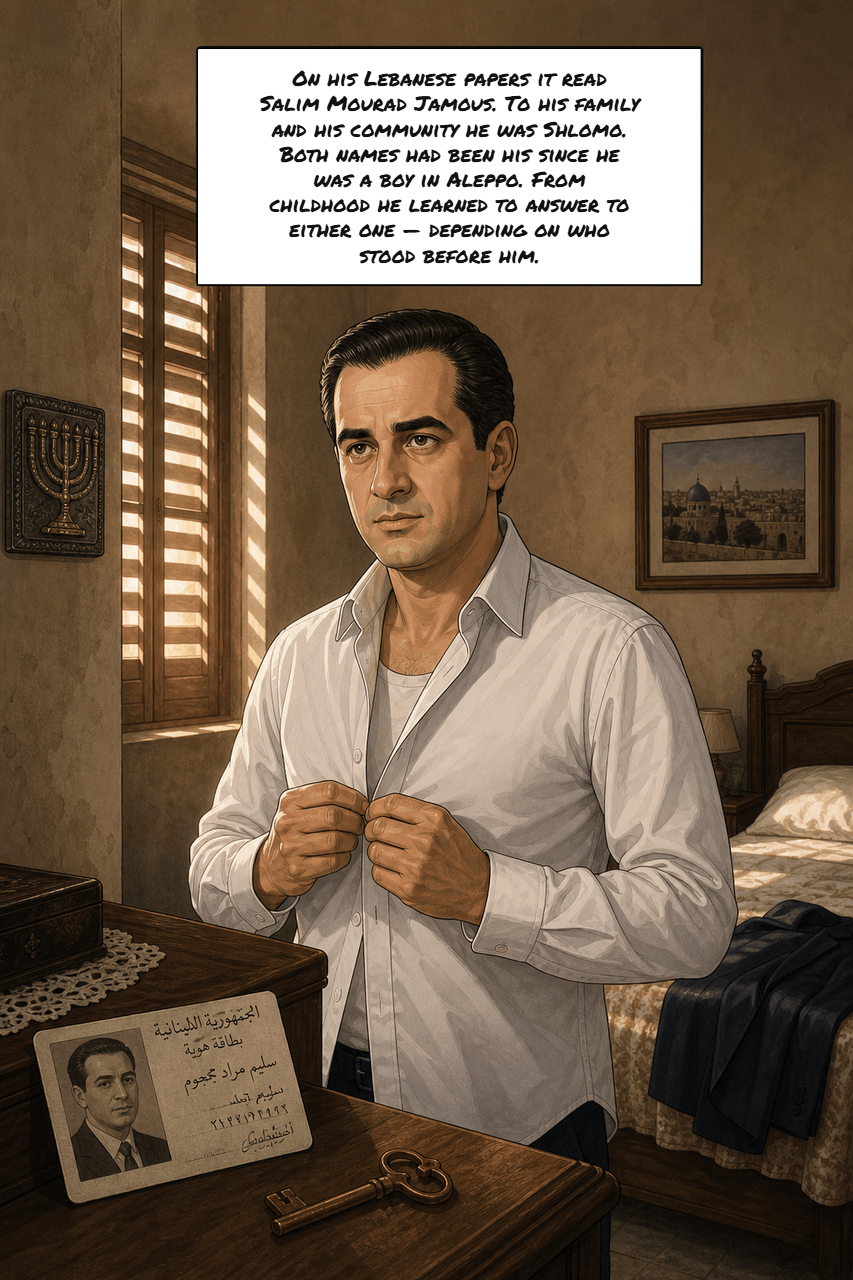
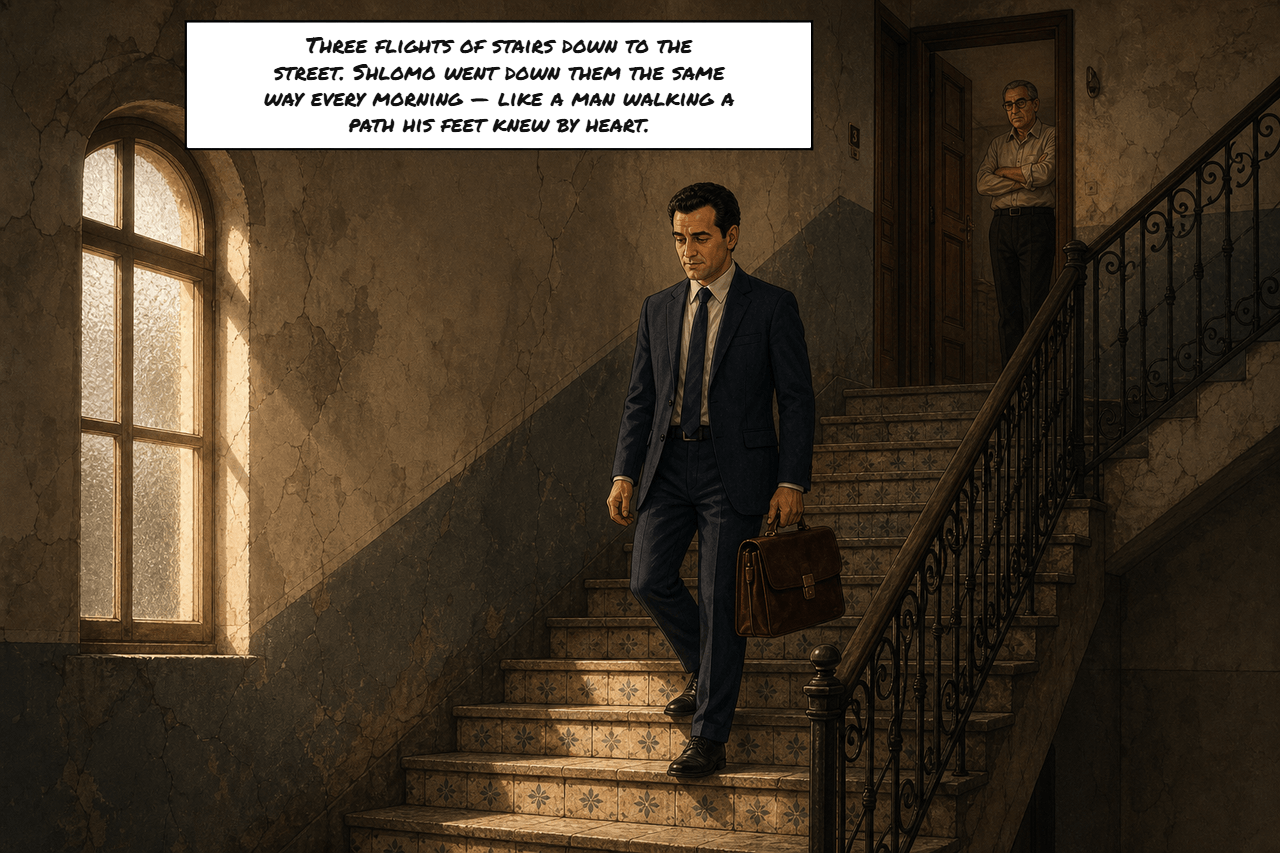
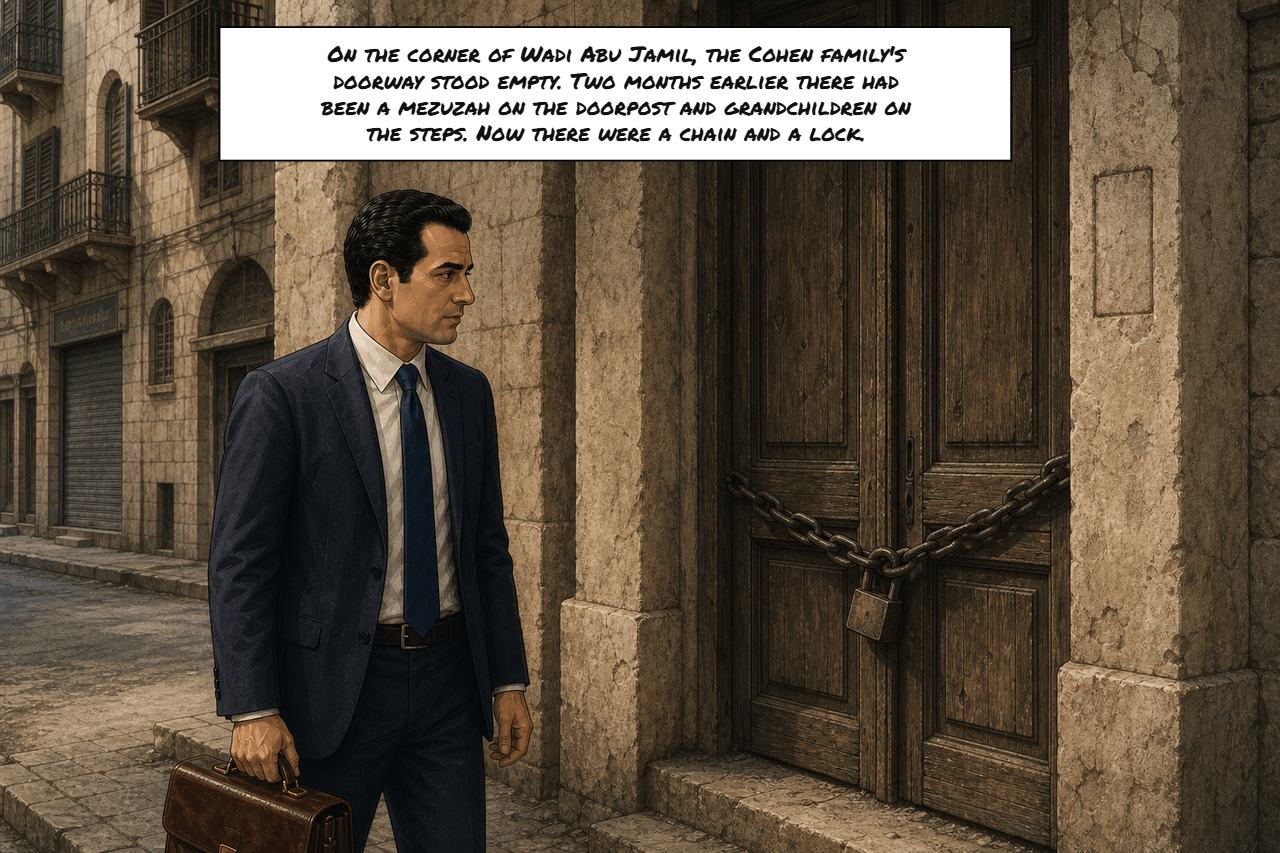
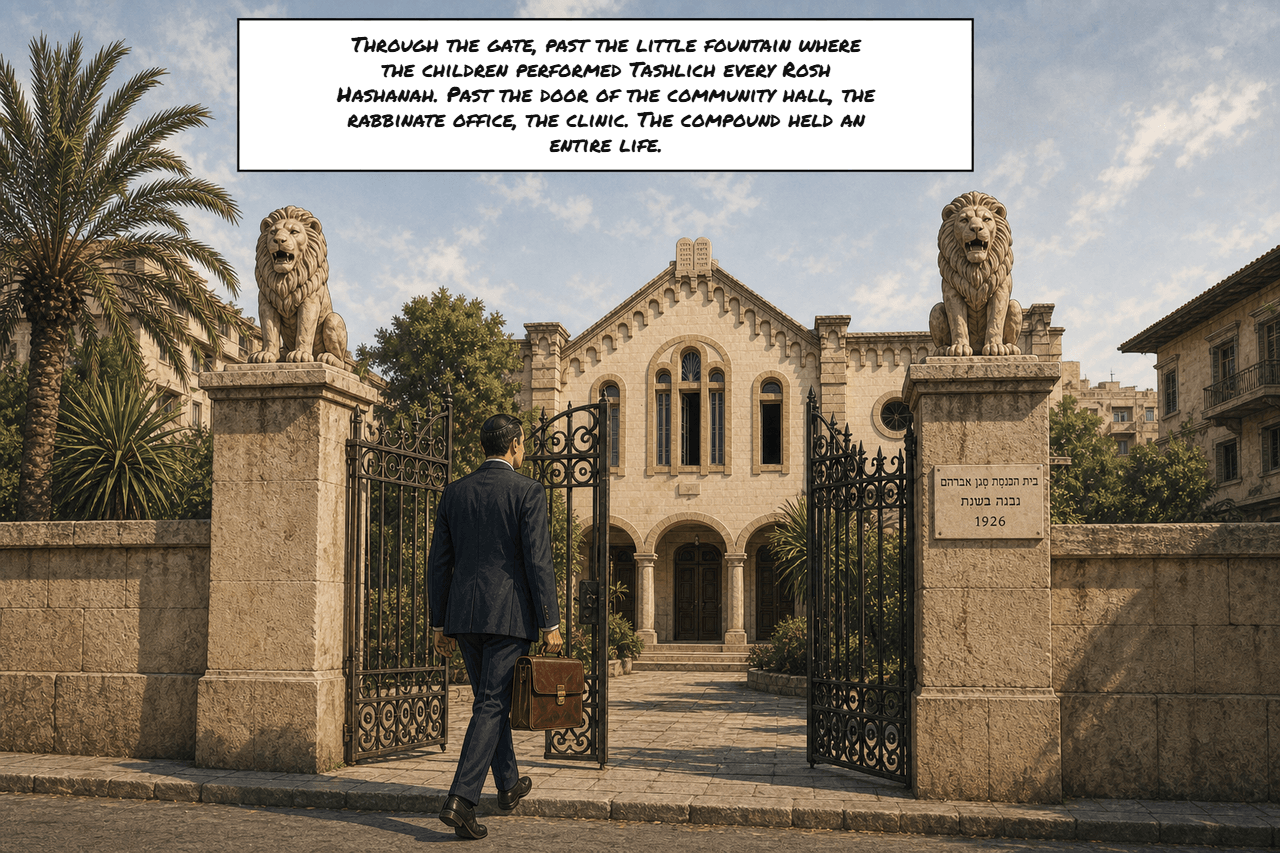
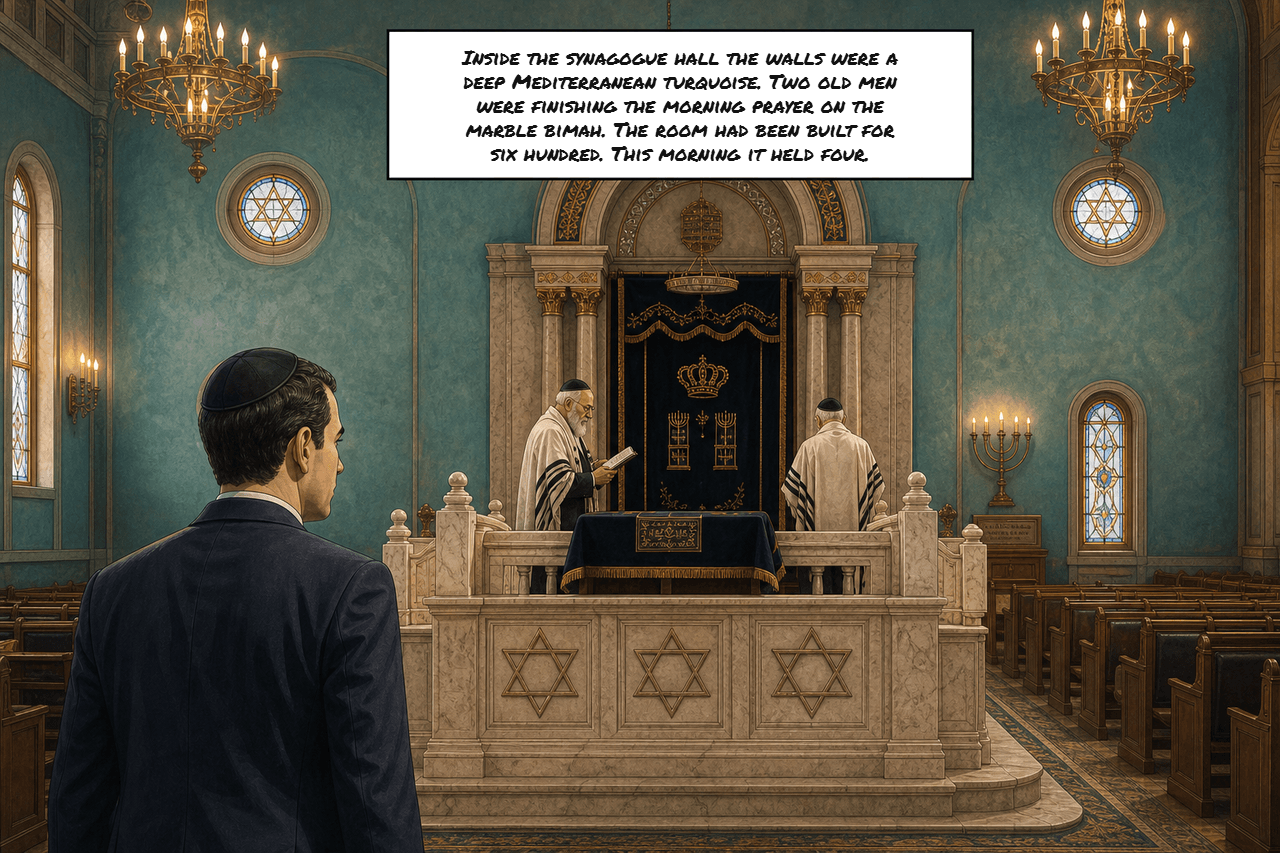
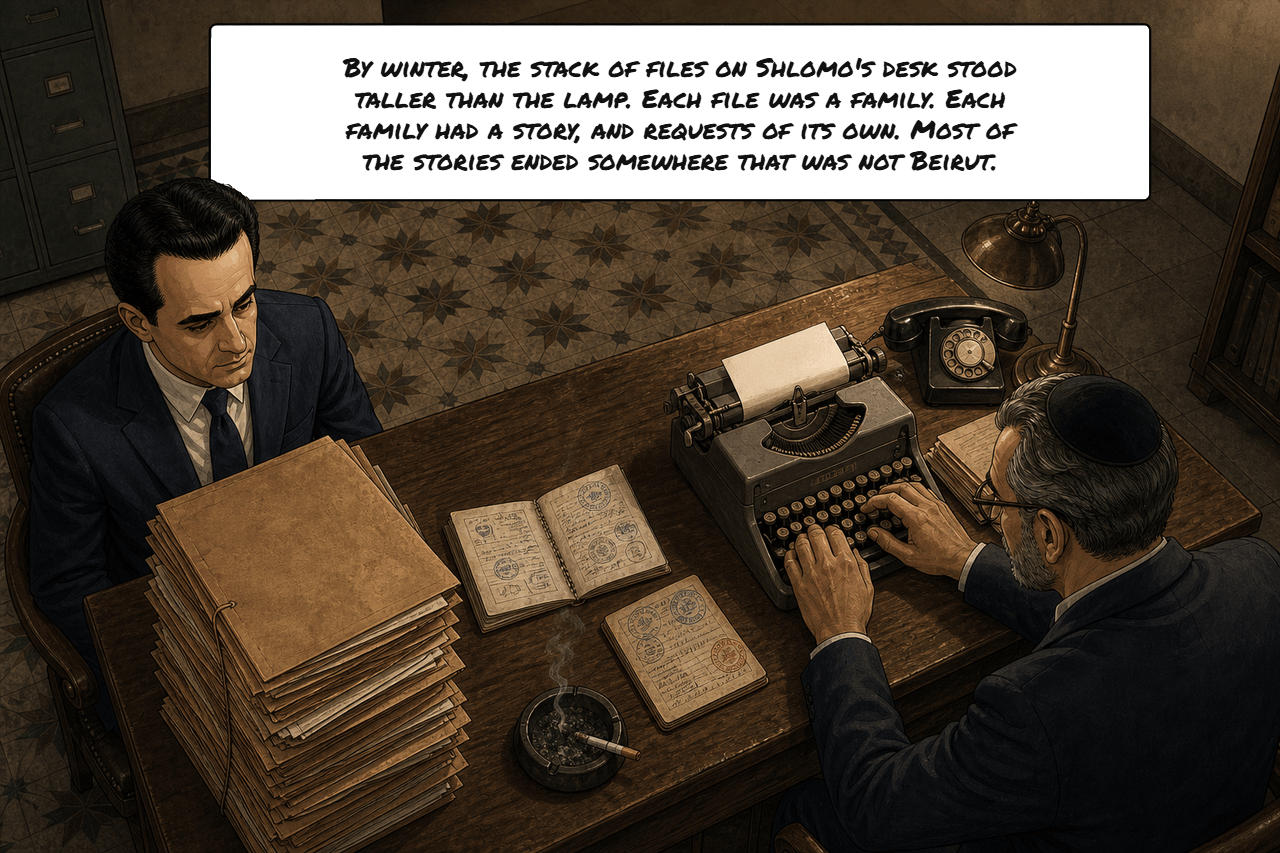
Shlomo Jamous was a community leader in Beirut — a man who stayed when most of the Jewish community had already left, because the people who remained still needed him. He ran the last functioning synagogue. He looked after the widows. He taught the children who had nowhere else to go.
On August 15, 1984, Shlomo was abducted from his office at the Magen Abraham Synagogue in Beirut. He was 52 years old. He has never been seen since.
For forty years his wife, his son, his brothers, and his sisters have lived in the silence that comes when a person does not come home and does not come back and is not buried and is not mourned in the way the living mourn the dead. Israel recognizes him as one of הרוגי מלכות — a martyr of the state. That recognition is a weight and a grace. It is not a substitute for his return.
This page exists because the family is still asking. If you know someone who might know something — a journalist, a diplomat, a person who was there — we would like to hear from you. If you do not, you can still help: share his story, follow the accounts below, and do not let his name disappear.
The book — pre-orders & sponsorships available
LegacyTaleCraft has produced an illustrated book telling Shlomo’s story — the last working synagogue in Beirut, the community he refused to leave, and the family still waiting for him. You can help keep his name alive: pre-order a copy for your own family, or sponsor a second printing so the book can reach schools, communities, and others who should know his story.
How would you like to view this?
Shadows in the Synagogue
Footsteps at the Door
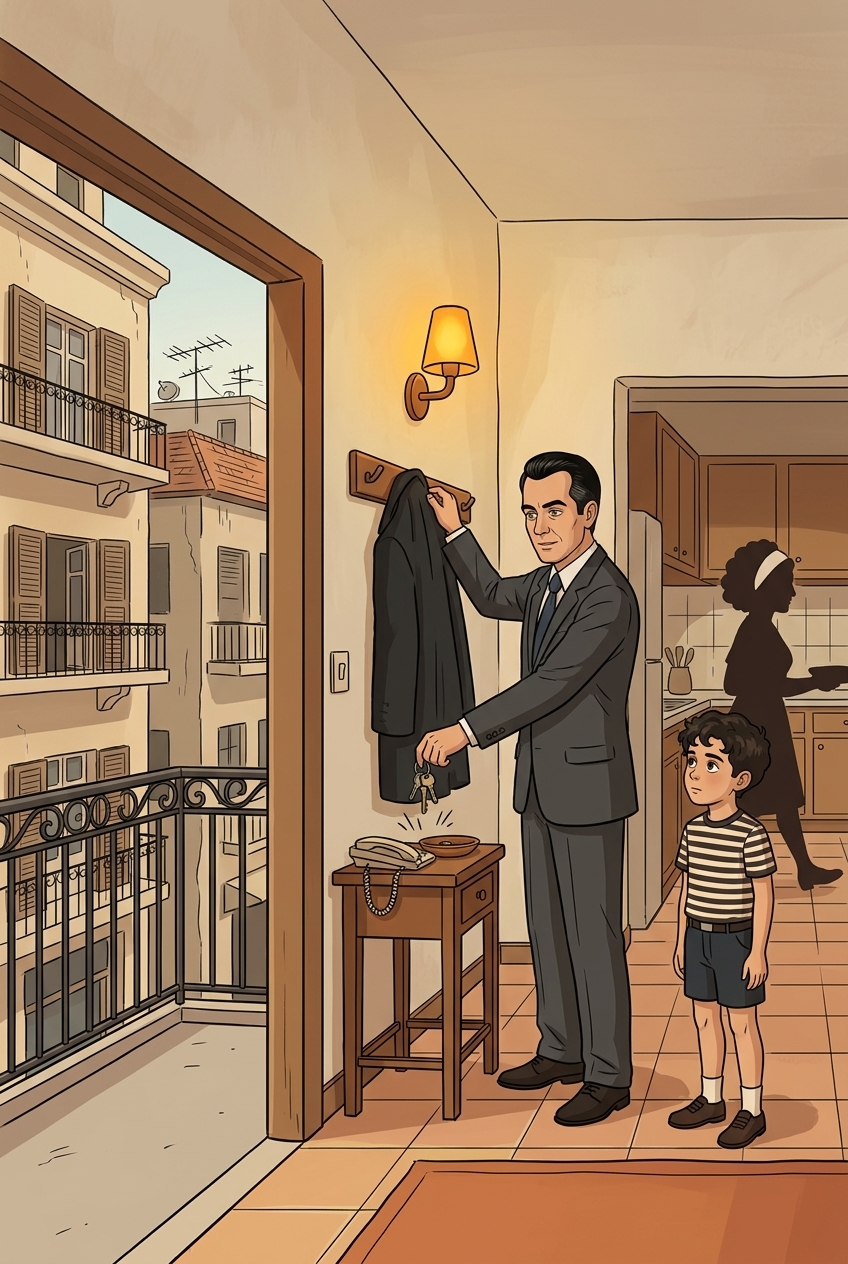
The door closes behind him and the latch clicks. His eldest is already in the hall, in his school uniform. Shlomo hangs the coat on the rack. The keys land in the wooden dish — one familiar sound a day.
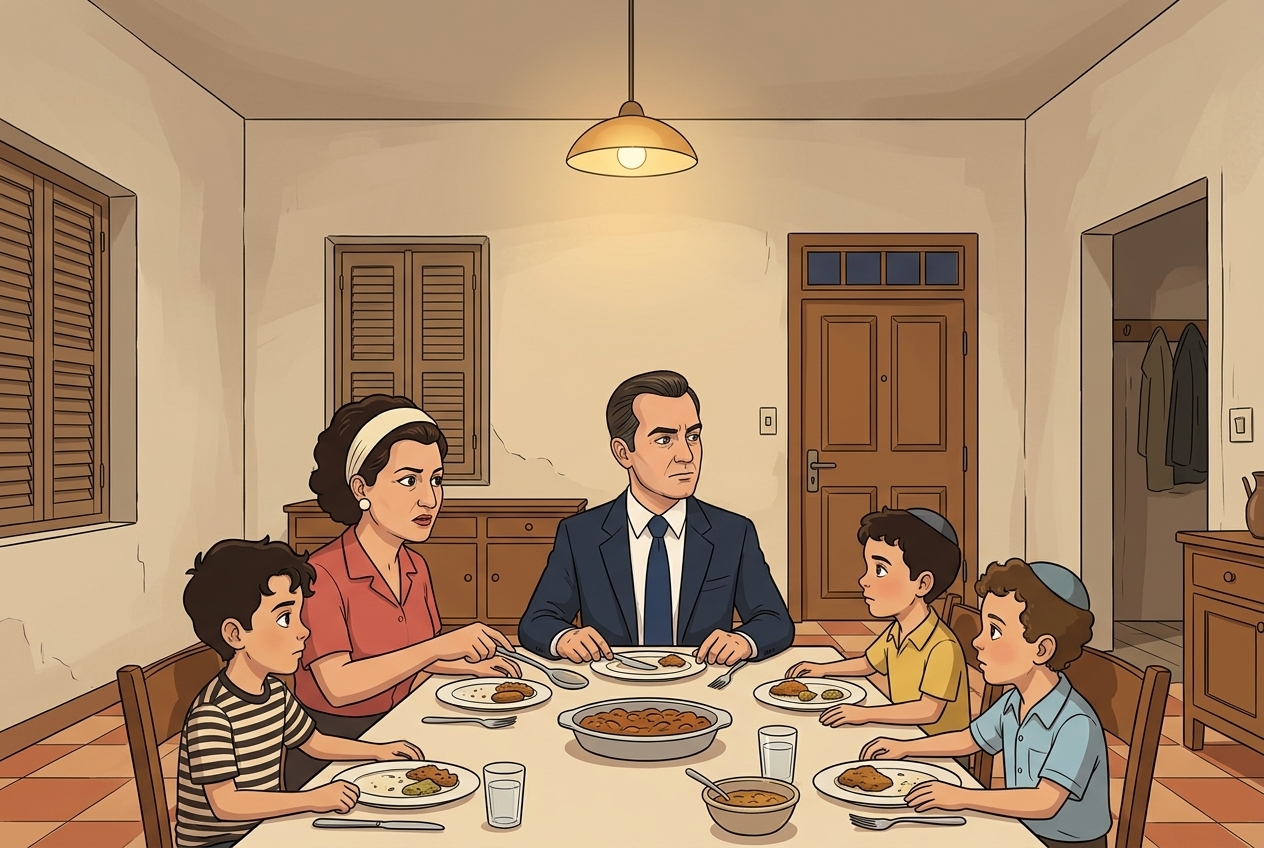
Forks halfway to mouths. Mary's hand stops on the spoon. Shlomo sets his fork down without sound. The boots in the hallway are not their neighbours' boots.
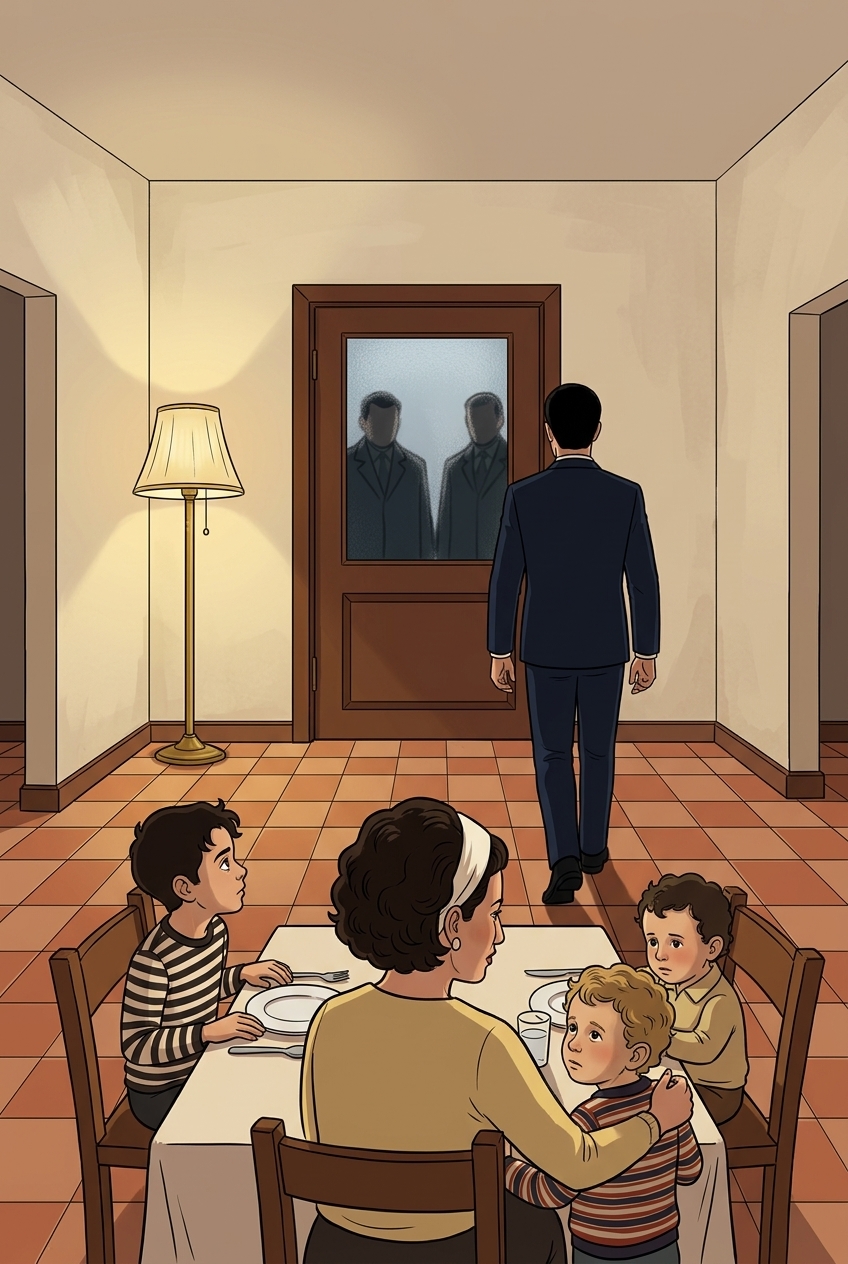
The knock comes again, harder. Shlomo stands and walks toward the door without looking back. His eldest watches every step. He will remember the line of his father's shoulders for forty years.
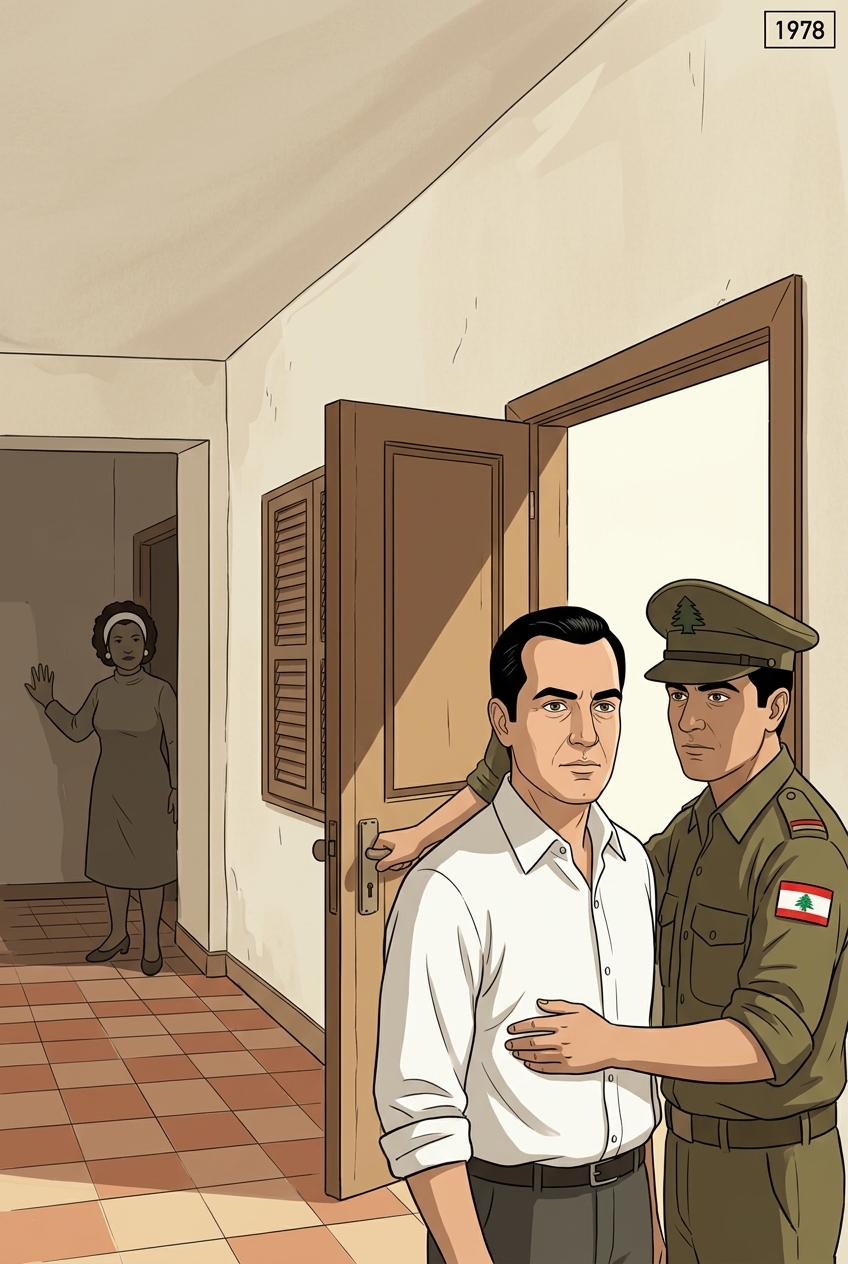
This was not the first time men had come for him. They had come in 1978 — Lebanese security men, uniformed, in daylight. He had returned weeks later, bruised and thinner. The family told itself it was the last.
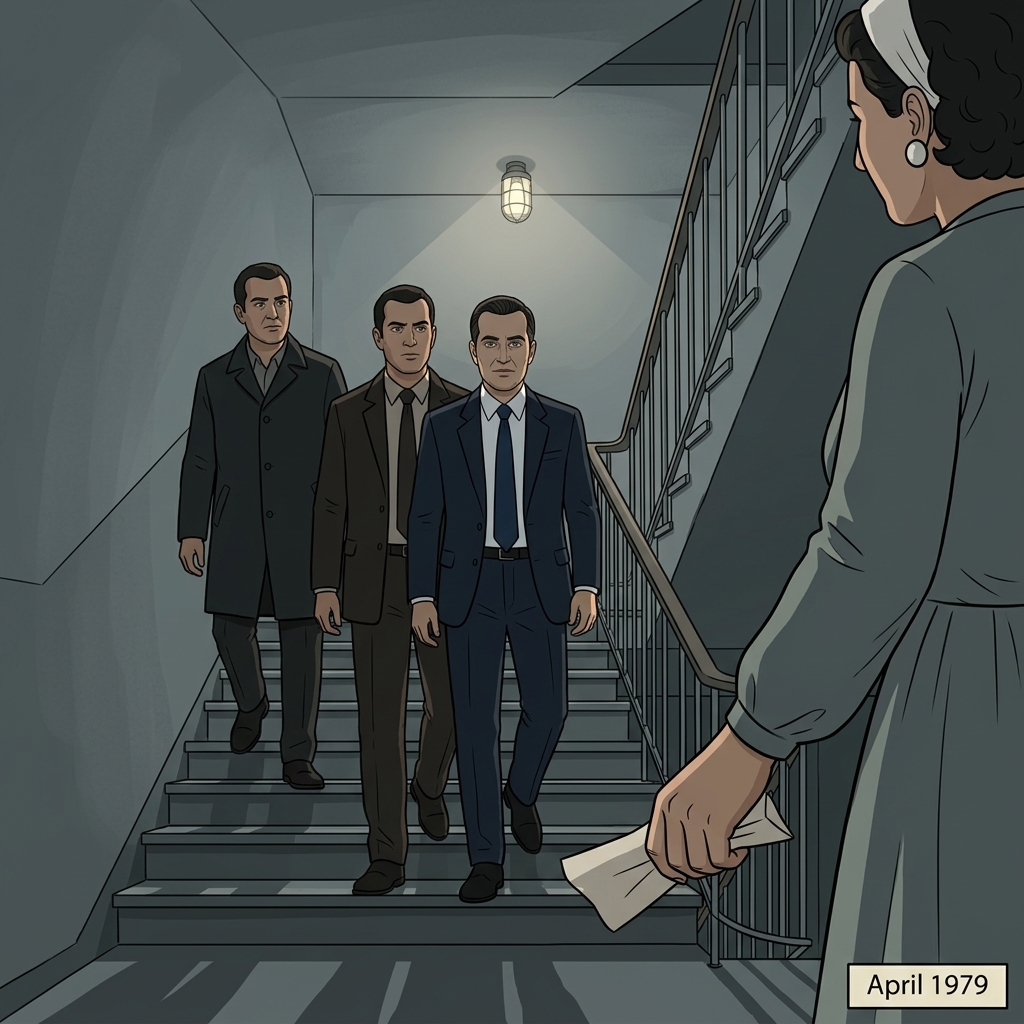
They came again in the spring of 1979. This time at night. This time in plainclothes. He returned again — quieter each time. The family told itself, again, that it was the last.
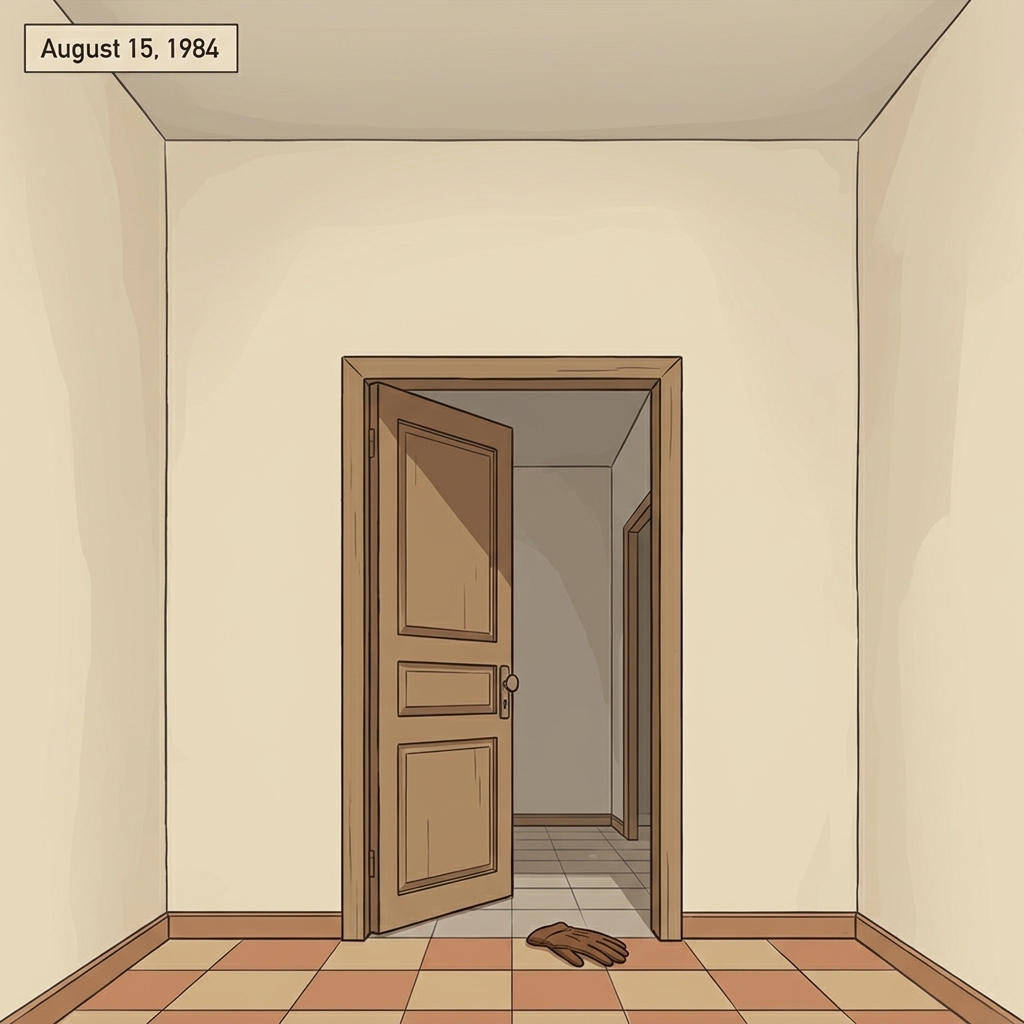
1984 was the third time the door opened for him. It was the last time it closed behind him.
A Voice on the Wire
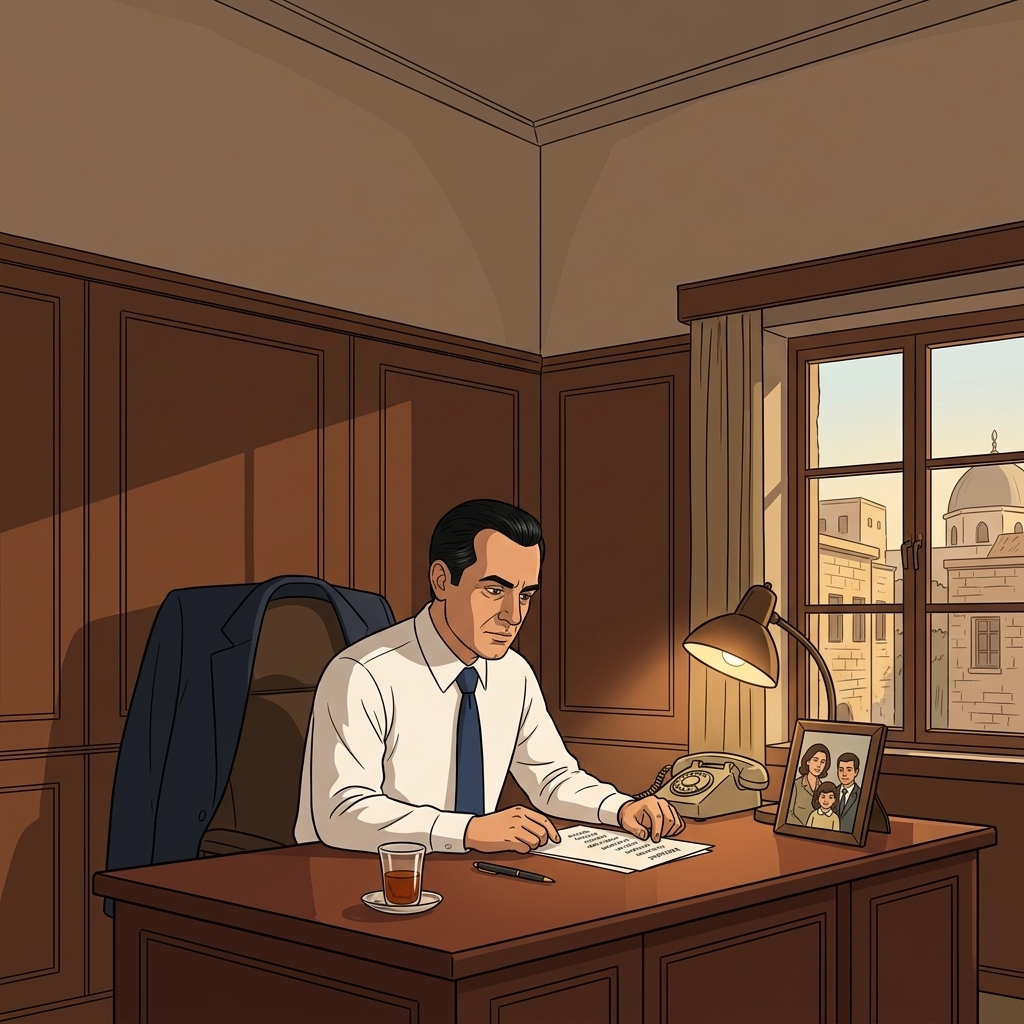
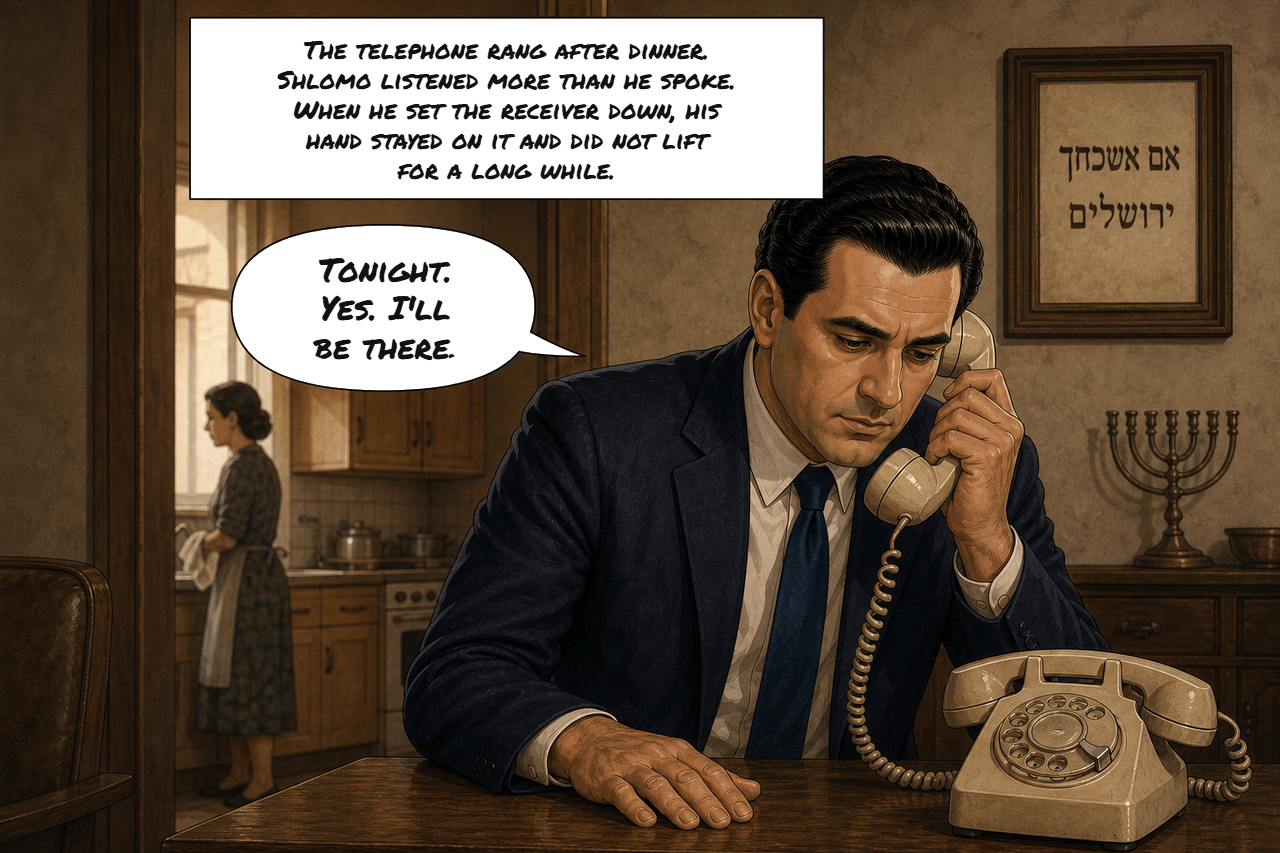
August 15, 1984. The afternoon was ordinary. He went over the day's names one last time. He was already reaching for his jacket when the phone rang. He did not know it would be the last time he touched these papers.
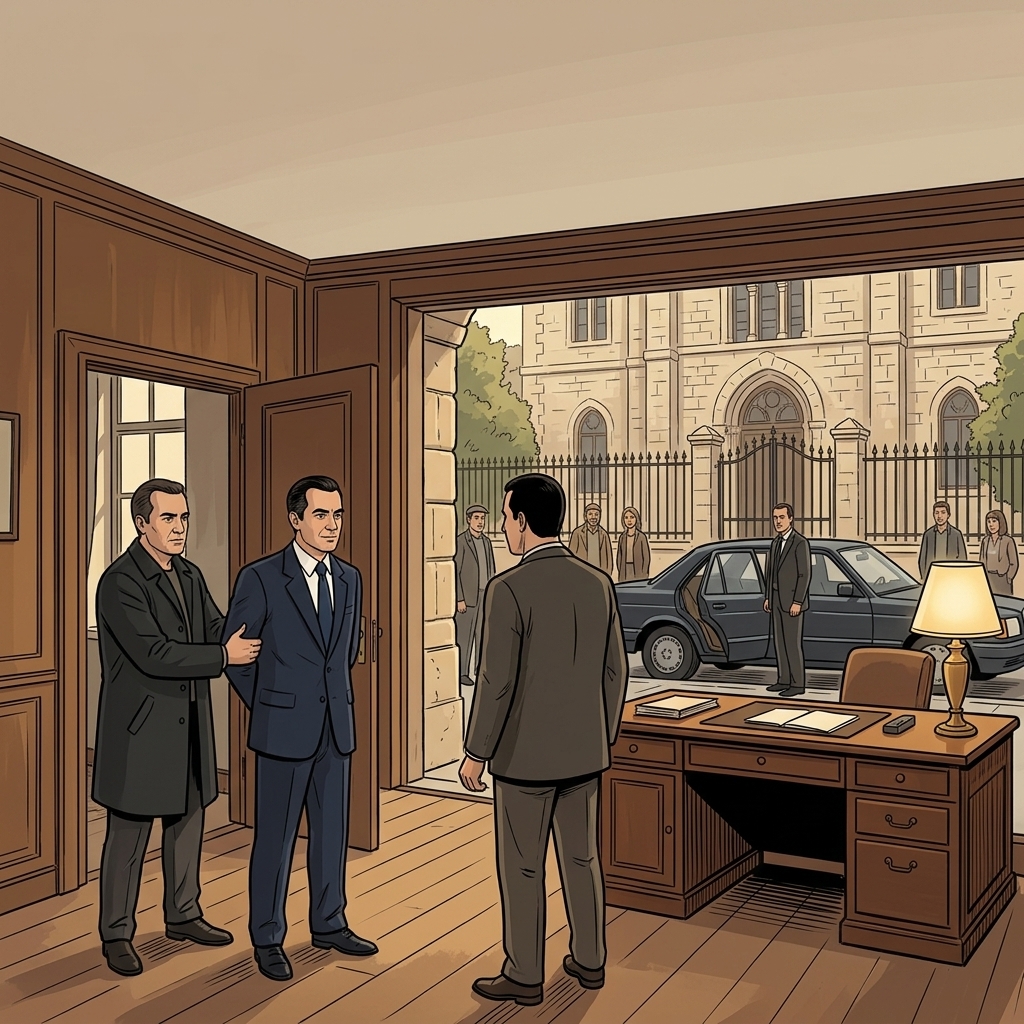
The men came through the office door, not the street. They knew exactly who he was — Hezbollah-linked gunmen. They walked him out through the stone entryway. A dark sedan was already waiting at the curb. The office door stood open behind him. Then it was just an empty doorway and an empty curb outside Maghen Abraham.
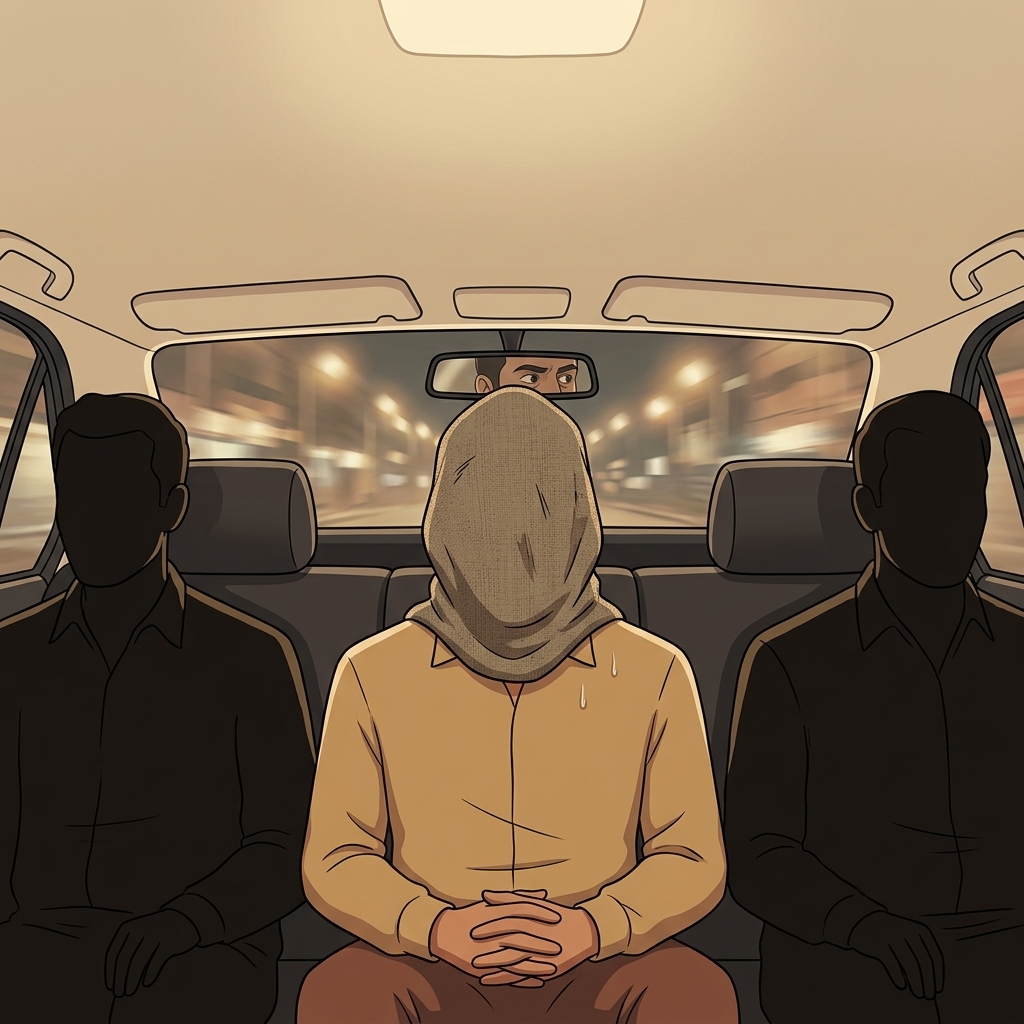
They drove for hours. Salim sat still. He gave them nothing — not even fear.
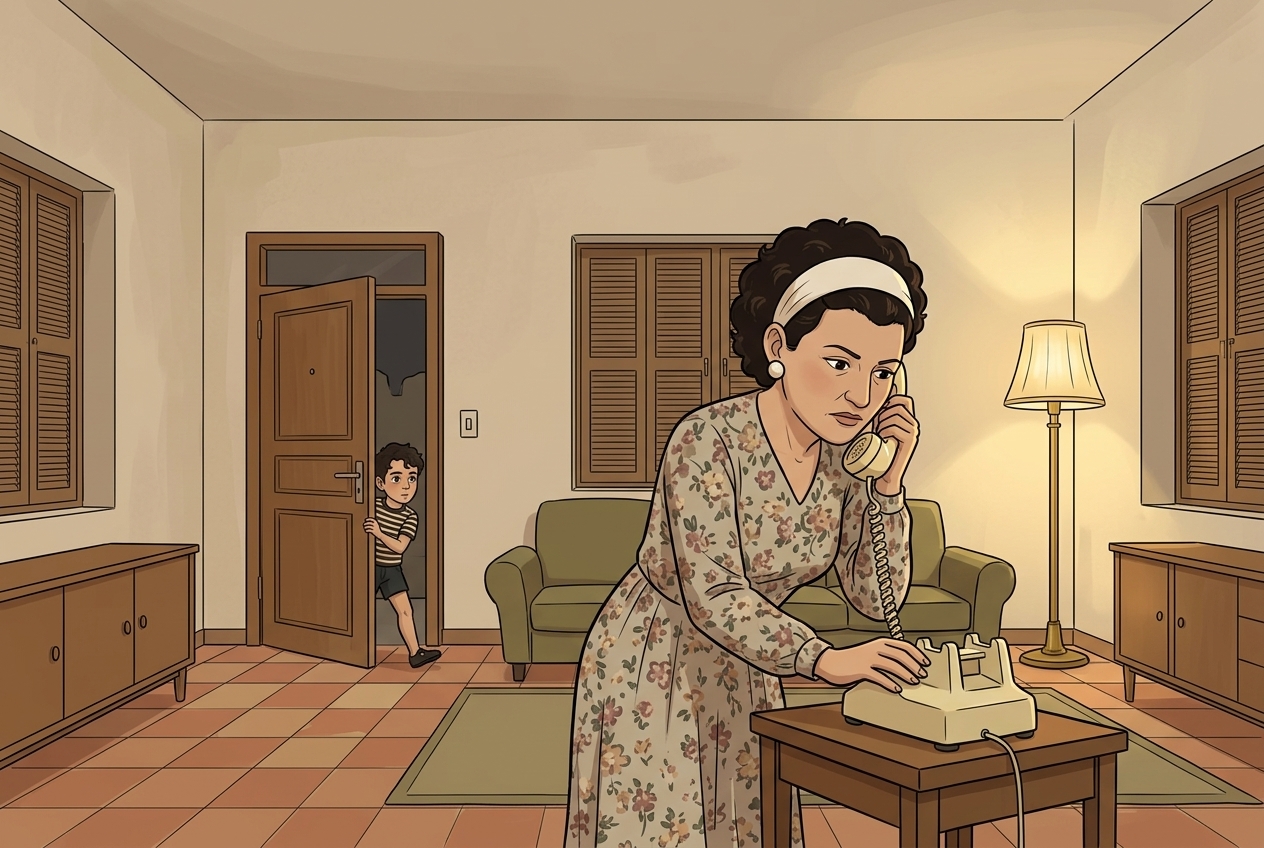
Mary picks up on the second ring. Shlomo's voice on the line is steady — too steady. In the hallway, her eldest stops where he is. He does not need to hear the words to know.
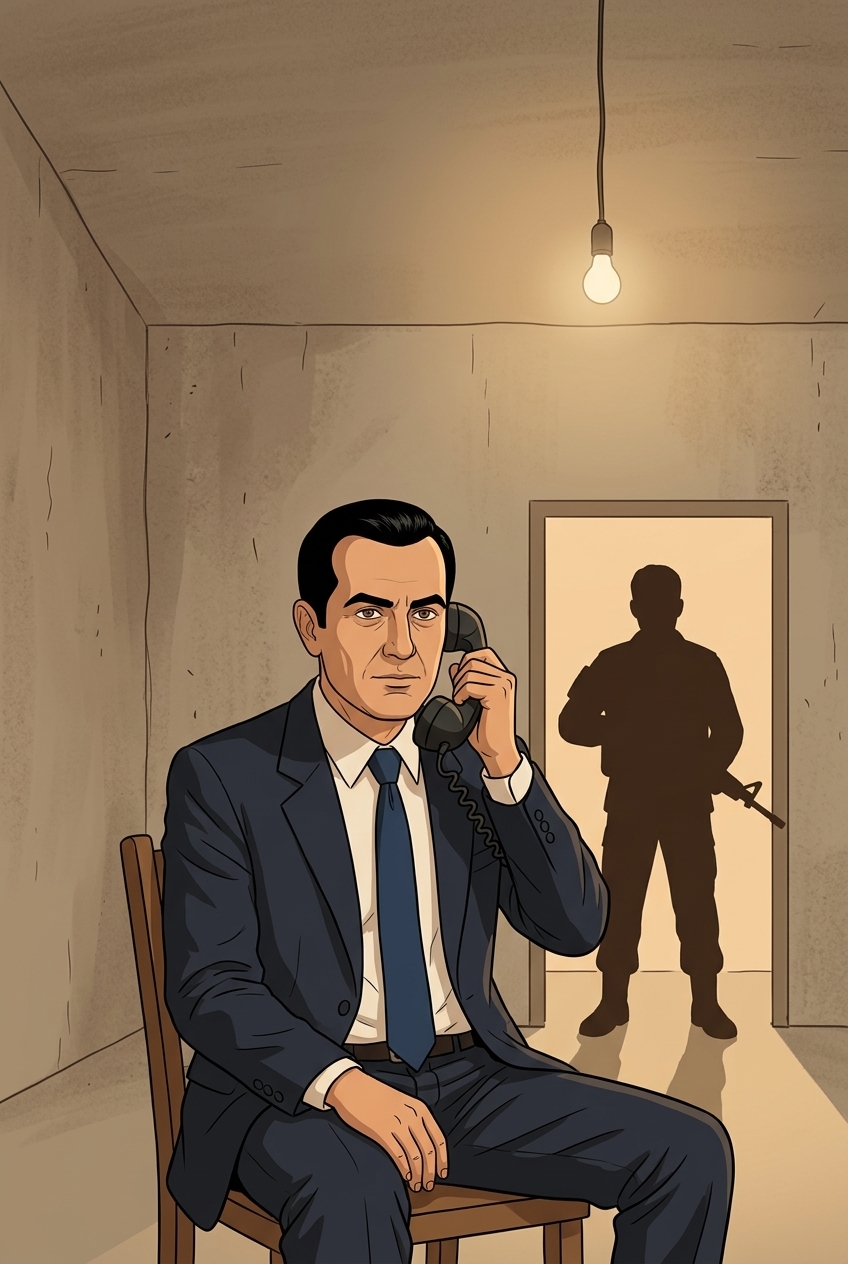
The room is small. The men in it do not move. Salim speaks evenly into the receiver, every word weighed for two audiences — Mary, and the men behind him in the doorway.
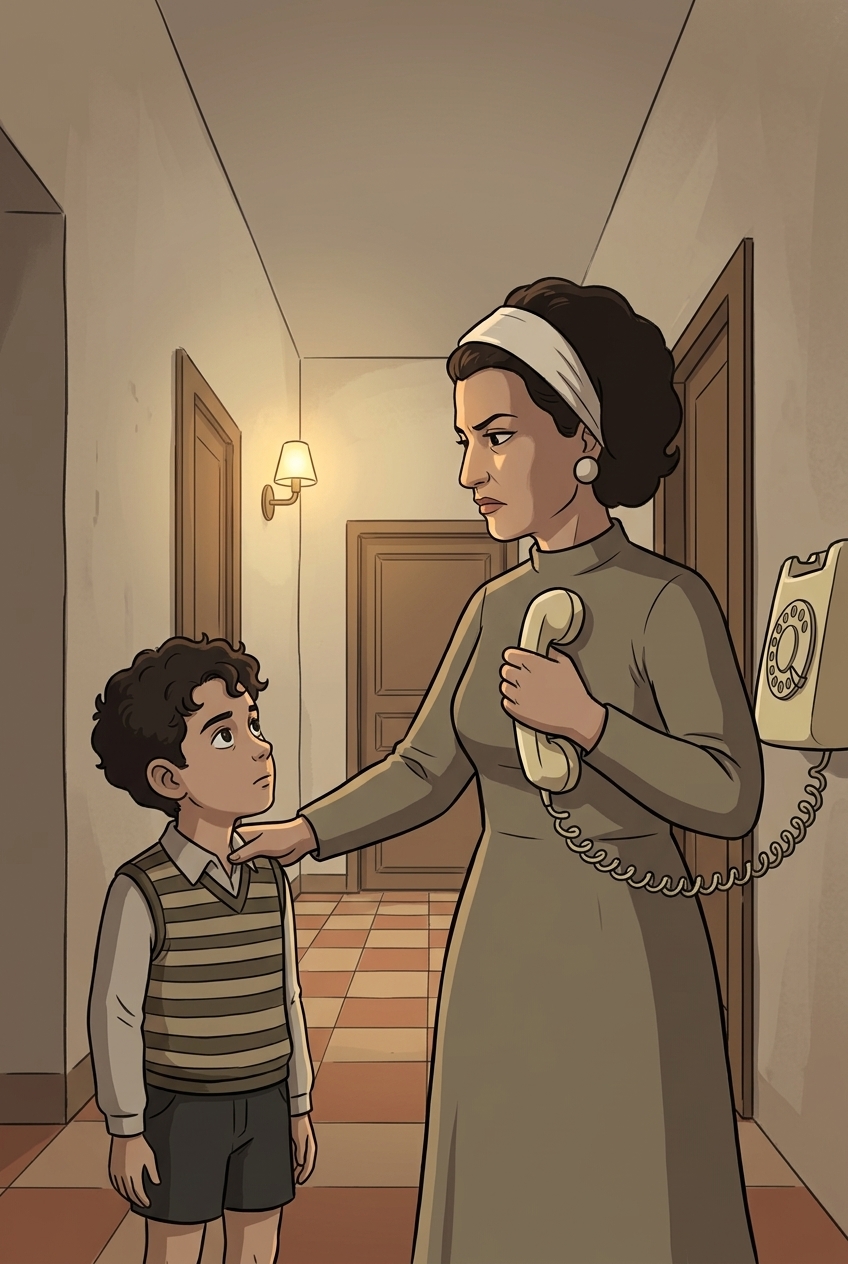
The phone is still warm in her hand. The man on the other end speaks coldly: send the boy tonight, and Shlomo comes home. Mary does not hesitate. She says no. She says it again, louder. She hangs up the receiver herself — not letting it slip. Her hand finds her son's shoulder before the line is dead.
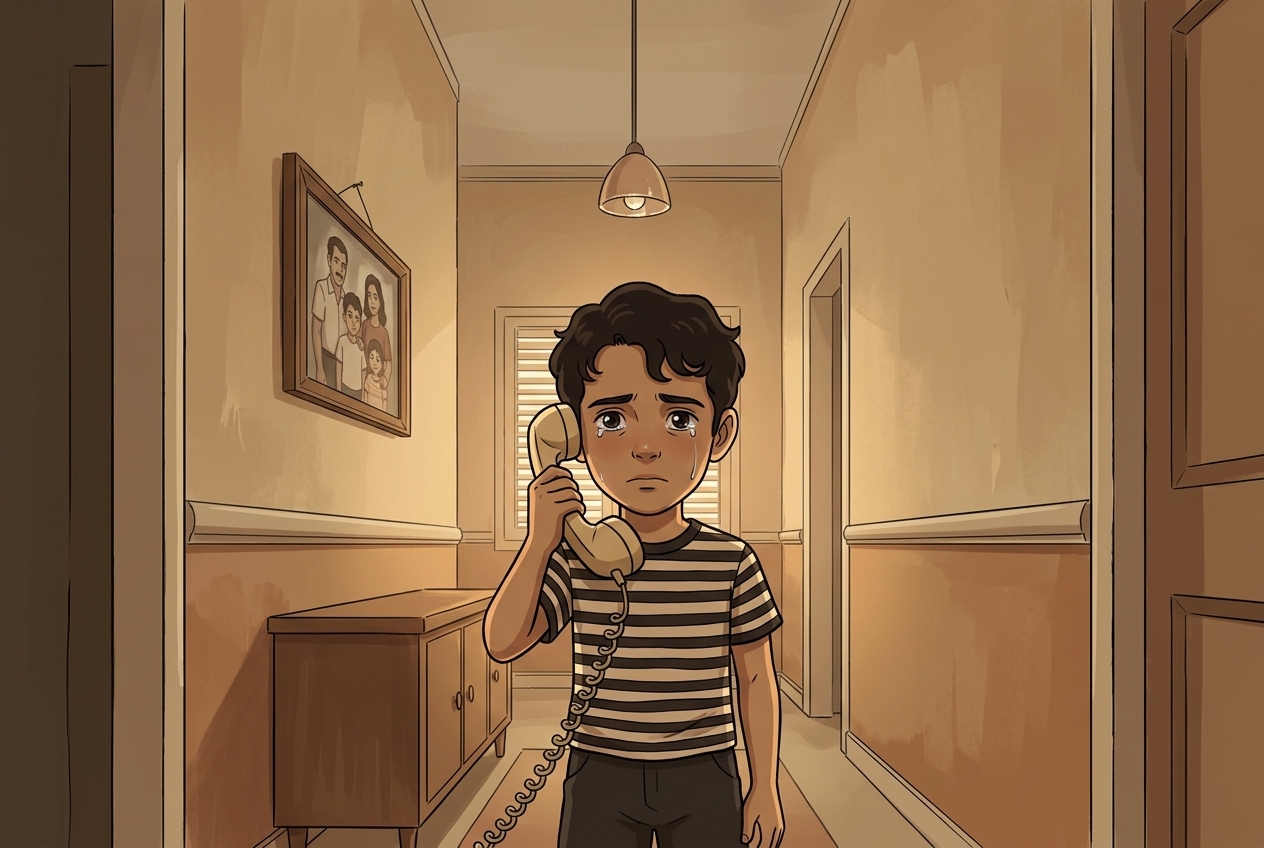
He holds the receiver with both hands. His father is telling him things he will spend the rest of his life turning over. Why his father cannot just come home is a question he will not know how to ask for years.
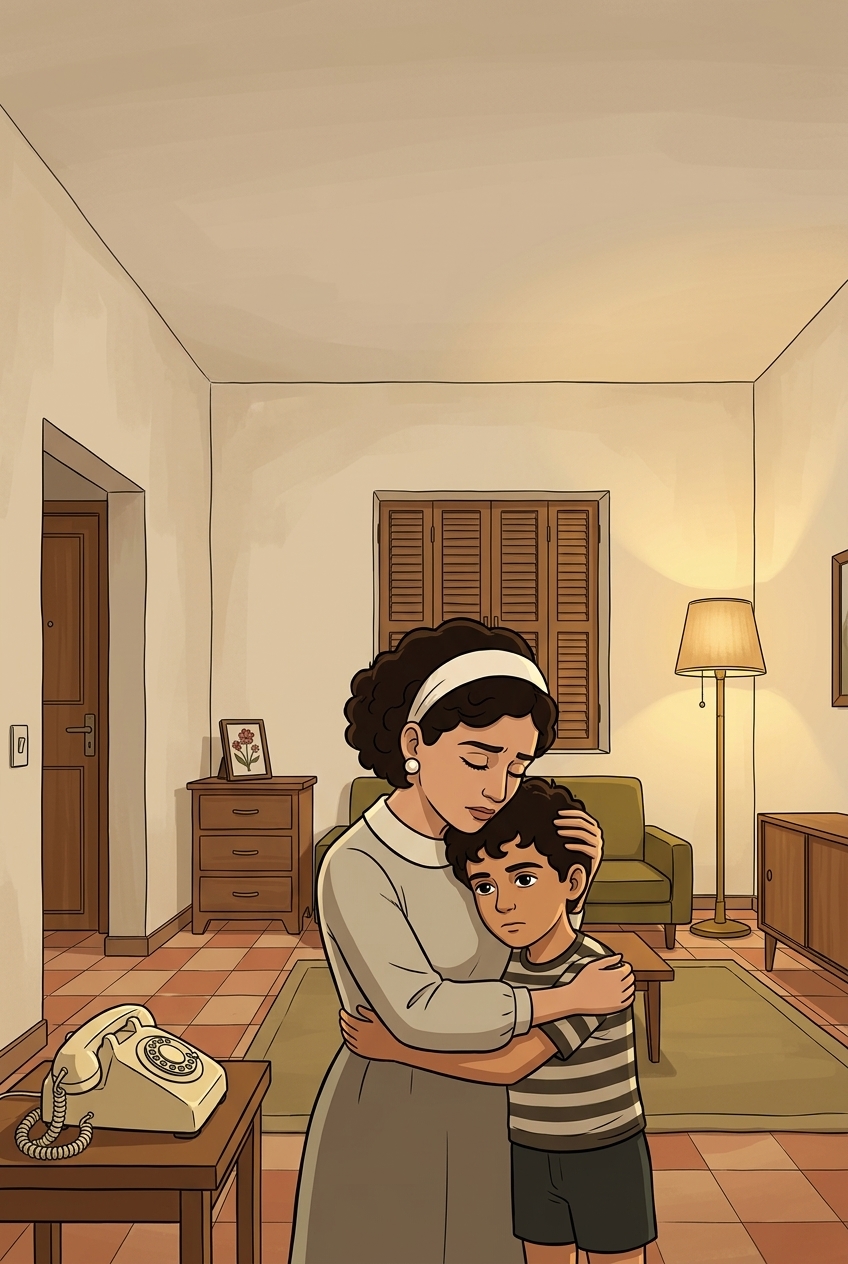
The line cuts mid-sentence. The receiver, replaced, is too loud against the cradle. Mary holds her son. Neither of them moves for a long time.
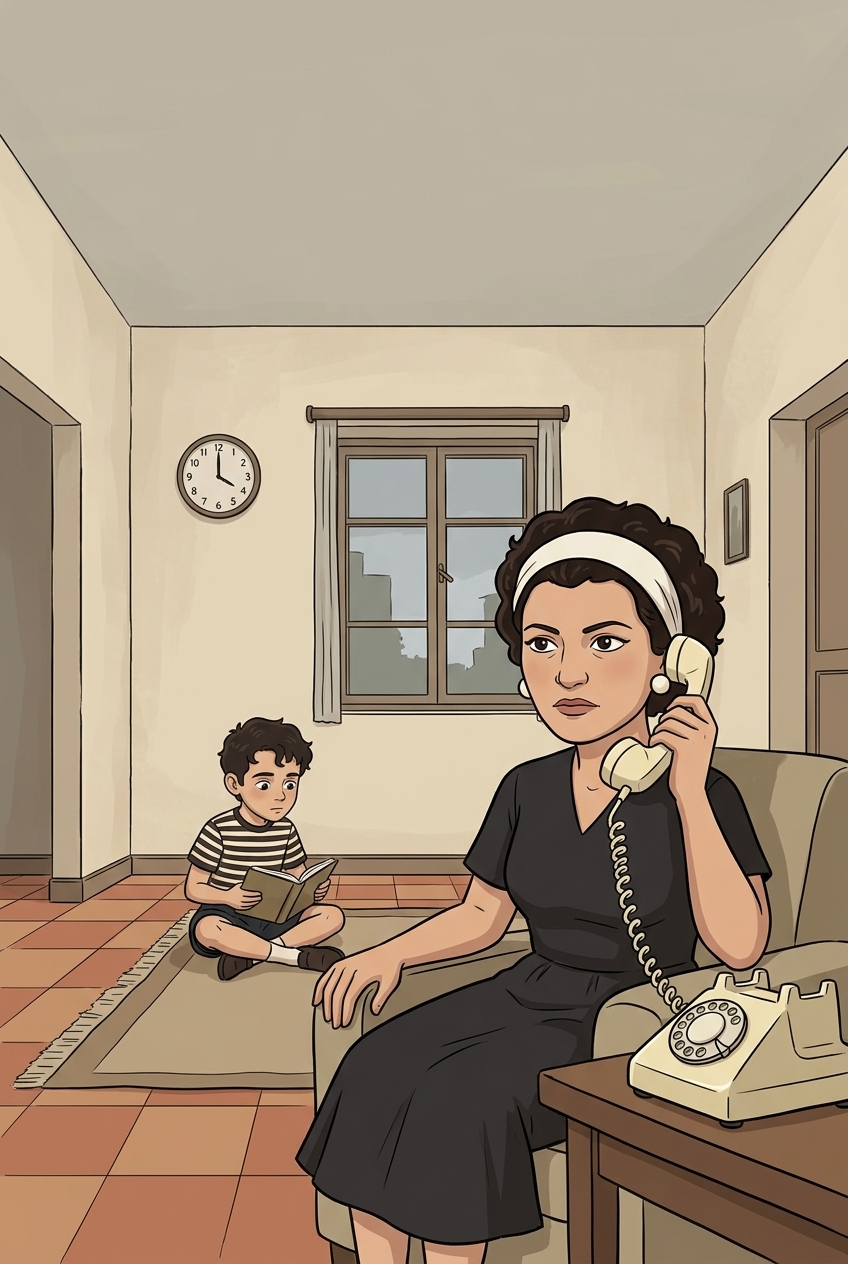
Three days later the phone rings again. The voice is colder now — patience worn thin. They name a place. They name a time. Mary listens without moving. She tells the voice that her husband would never forgive her if she did this — and neither would she. The line is silent for a long moment before it cuts.
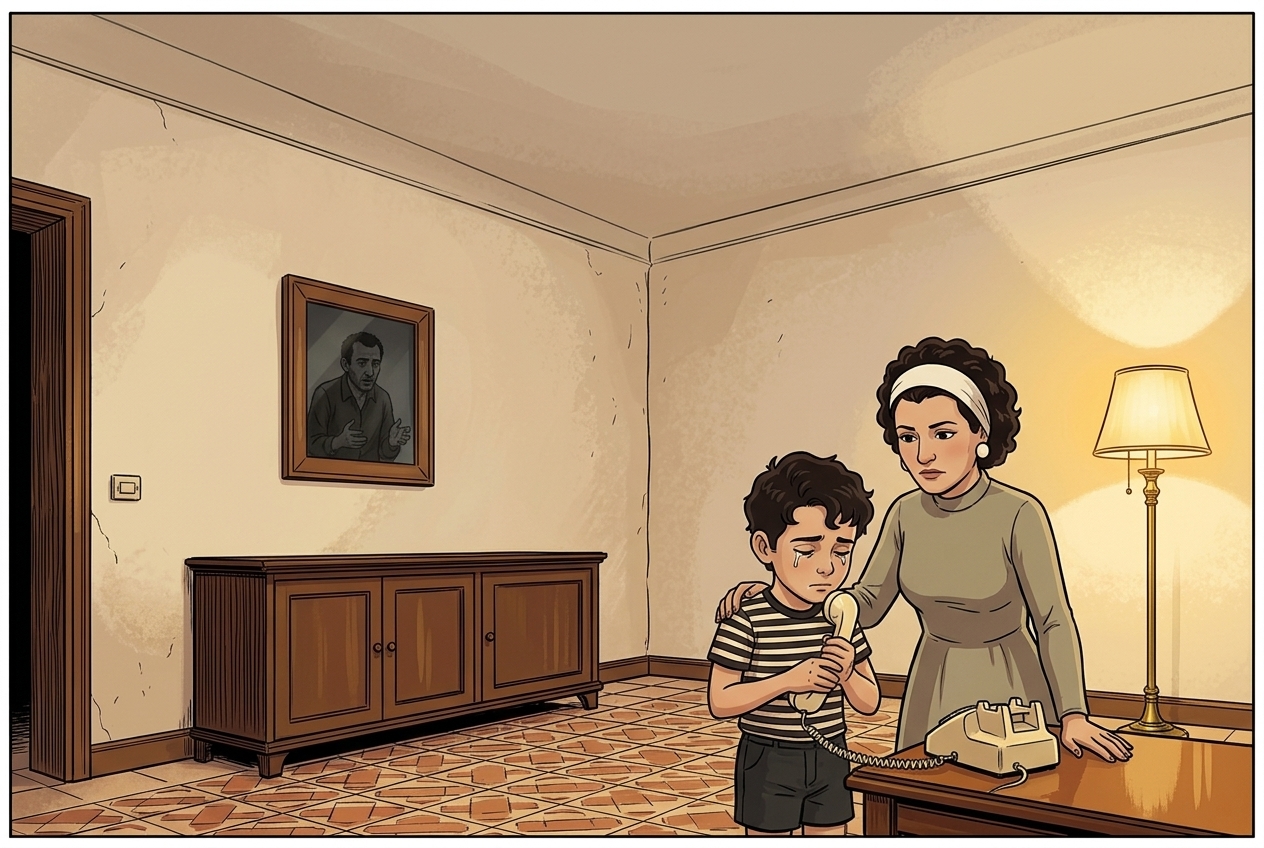
Shlomo's voice comes through static and a long delay. "Everything is fine, I miss you... remember the last night we were together, how much I watched over you." He does not say goodbye. Mary's hand stays on her son's shoulder.
The Shape of His Absence
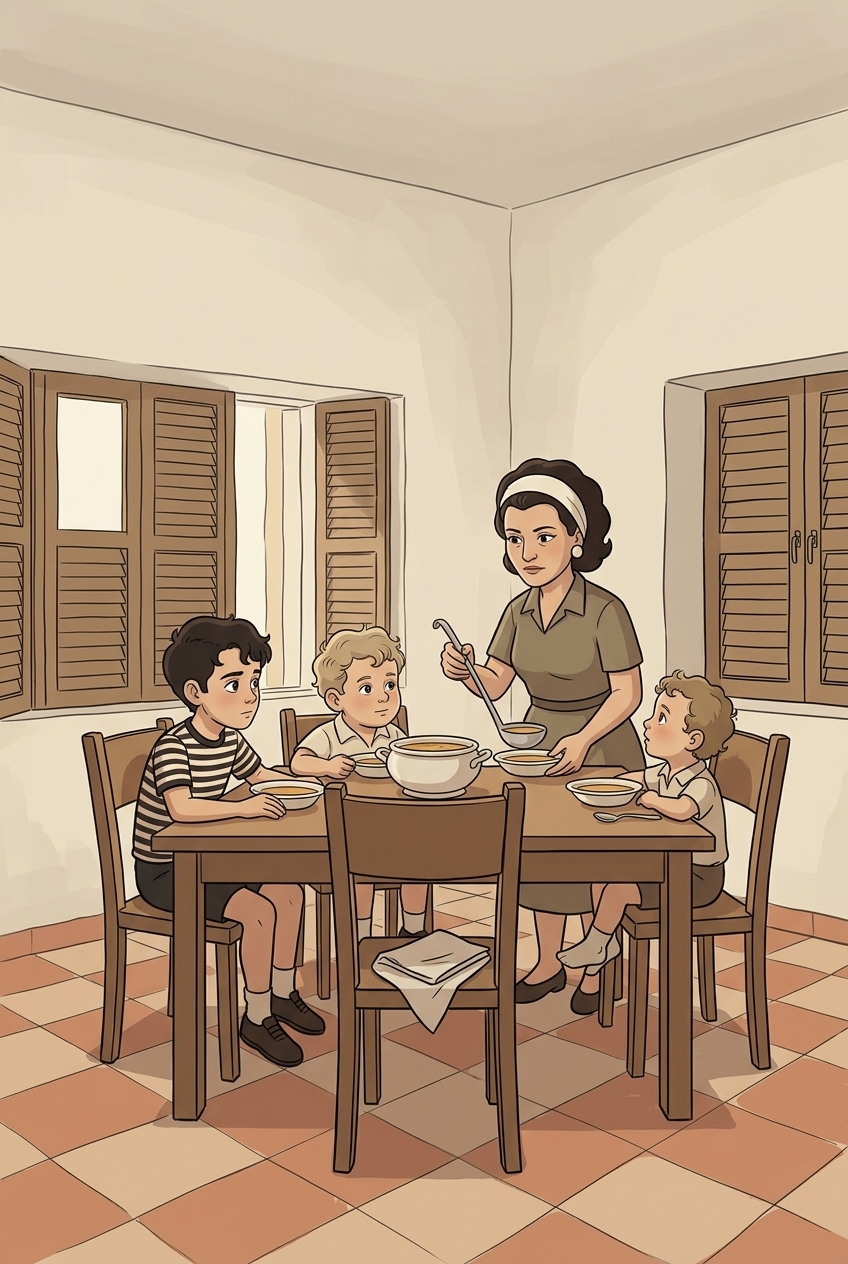
The boys eat. Mary serves. The chair at the head of the table stays where it is. Every day she sets five places. Every day one stays empty.
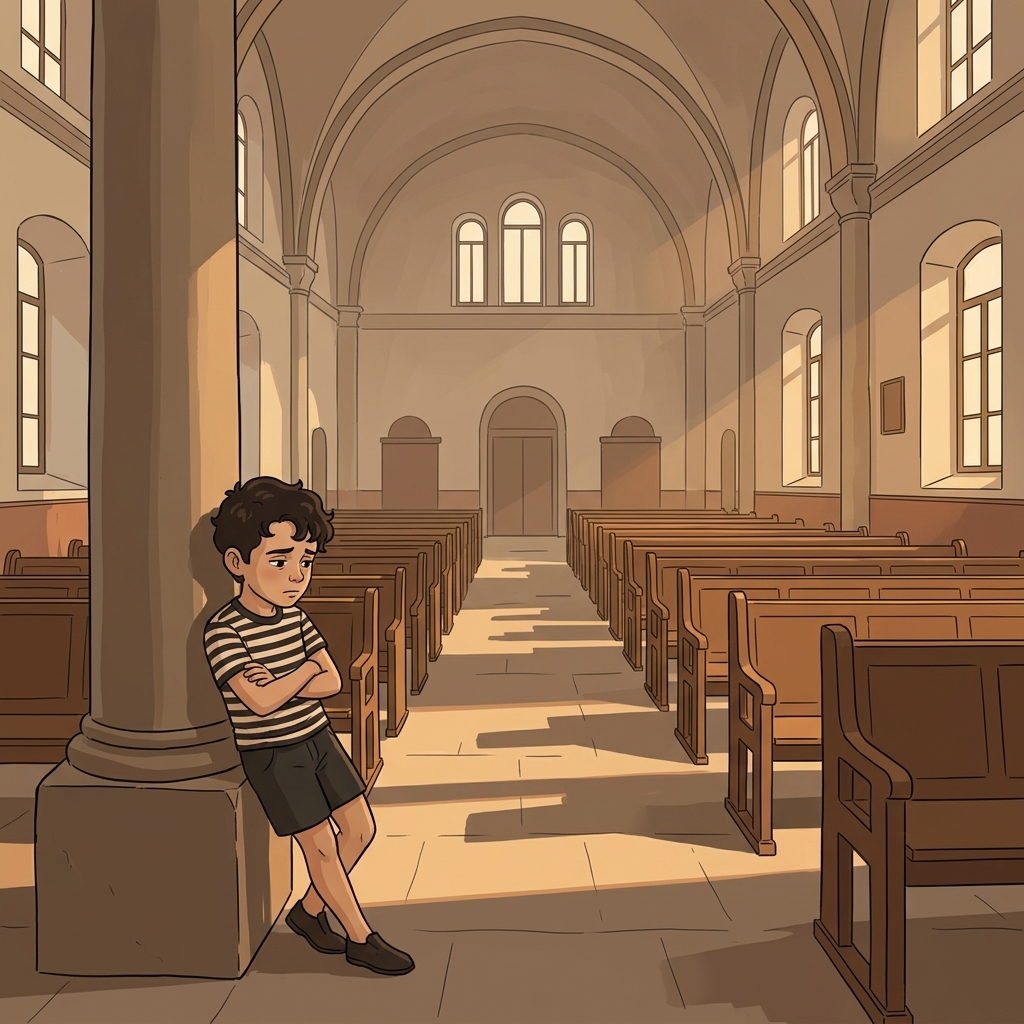
The eldest comes back to the synagogue alone. He leans against the column his father used to stand by during prayer — arms crossed, the same way. The room is empty. He is nine. He stays a long time.
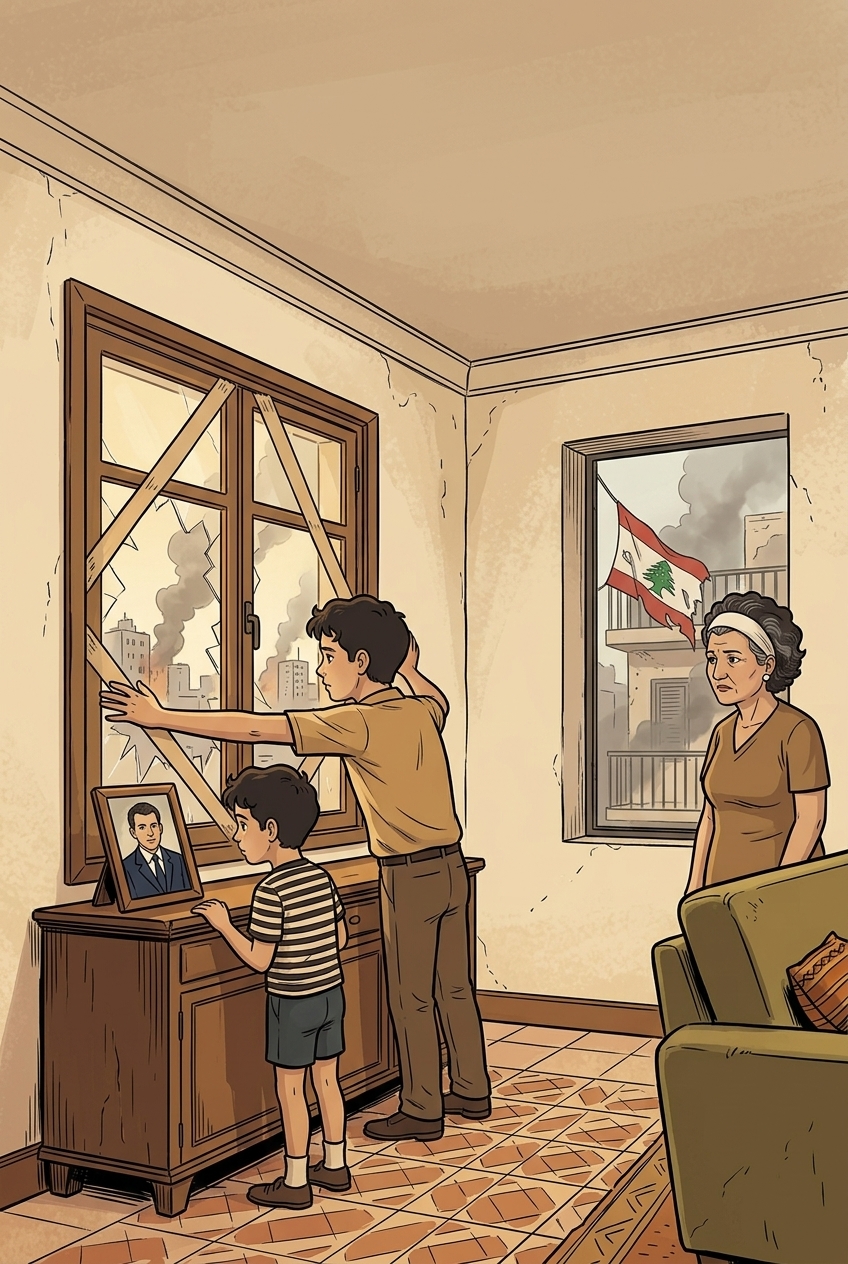
Three years. No call. The eldest checks the windows for his brothers when they leave for school. Mary's hair is grey at the temples. The radio plays the names of the missing in Beirut every morning. His father's name is never on it.
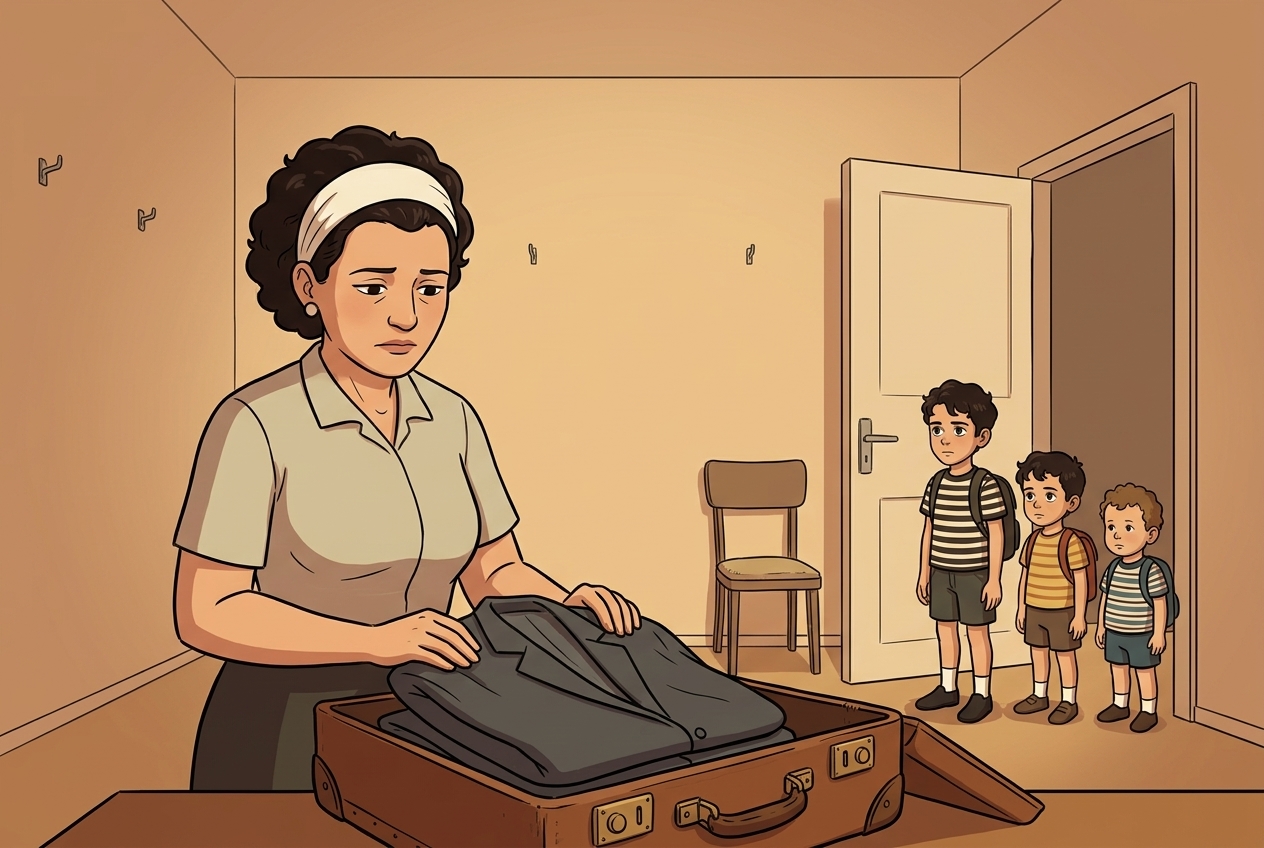
Mary folds Shlomo's charcoal suit into the suitcase last. She has not seen him in five years. The boys stand by the door with their backpacks. The apartment behind them is already someone else's.
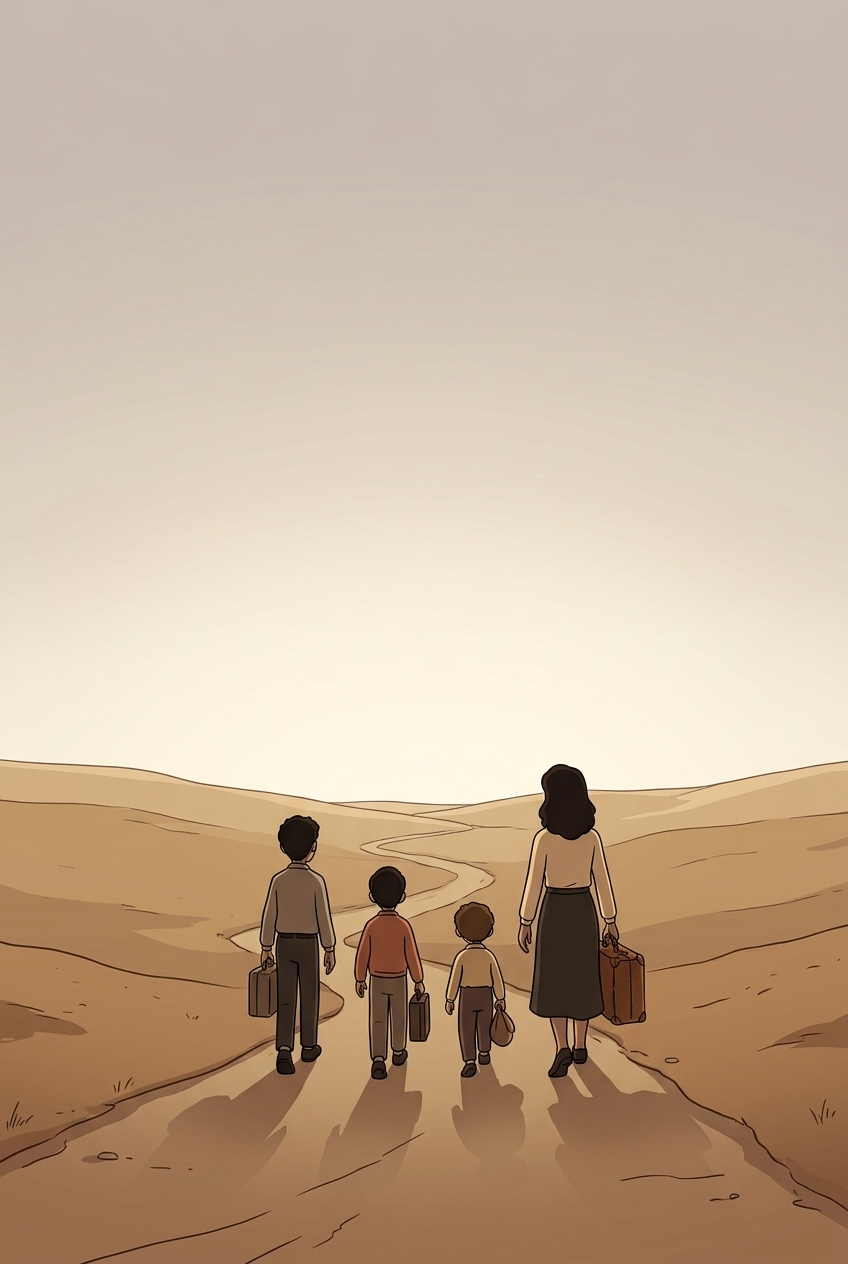
They left at dawn. Mary walks ahead of the boys without looking back. Behind them, Beirut. Ahead of them, Israel. How exactly they reached it is not for this page to say.
Speaking Into the Void
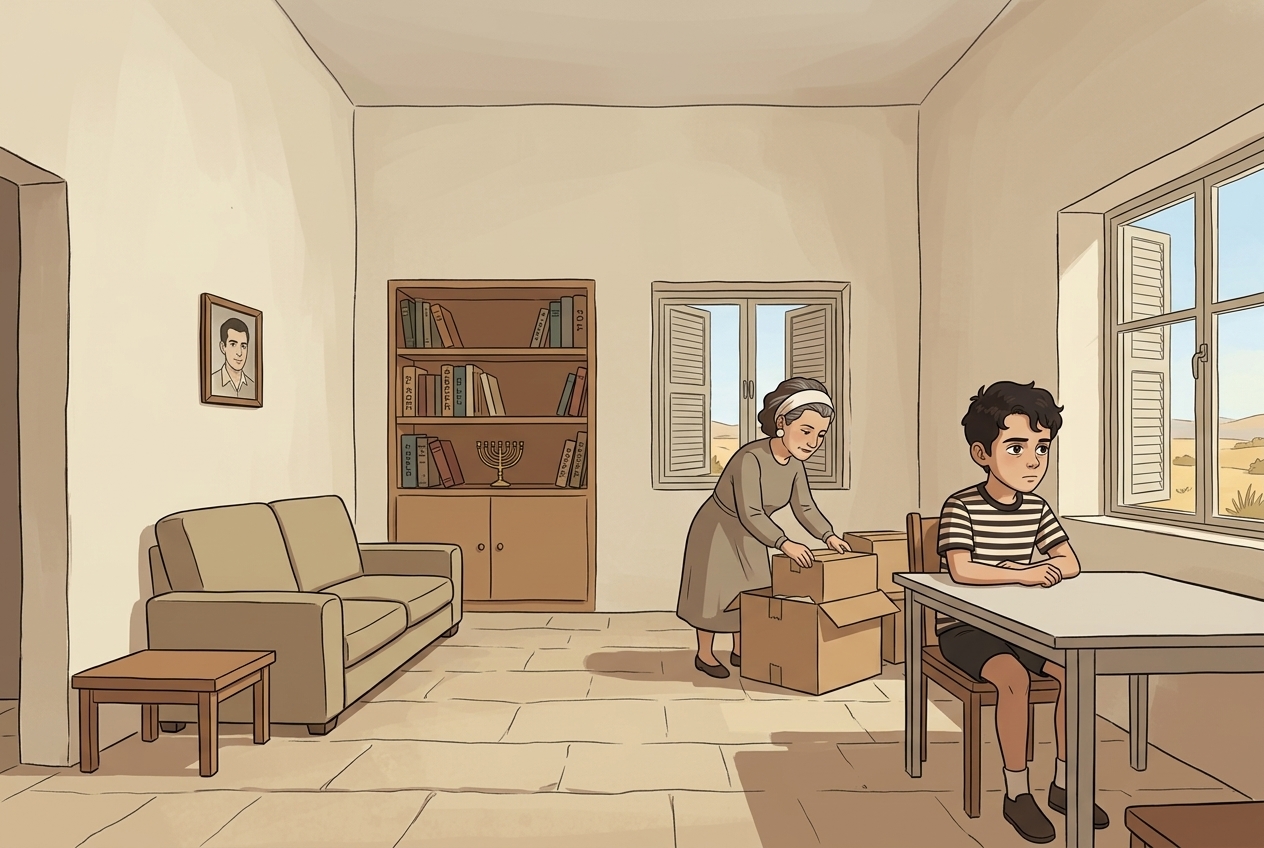
Israel, 1991. The eldest is fourteen. He sits at the table they brought from Beirut and looks out at a country that is not Beirut. Mary unpacks Shlomo's photograph and sets it on the windowsill, where the light is. Her son does not turn his head.
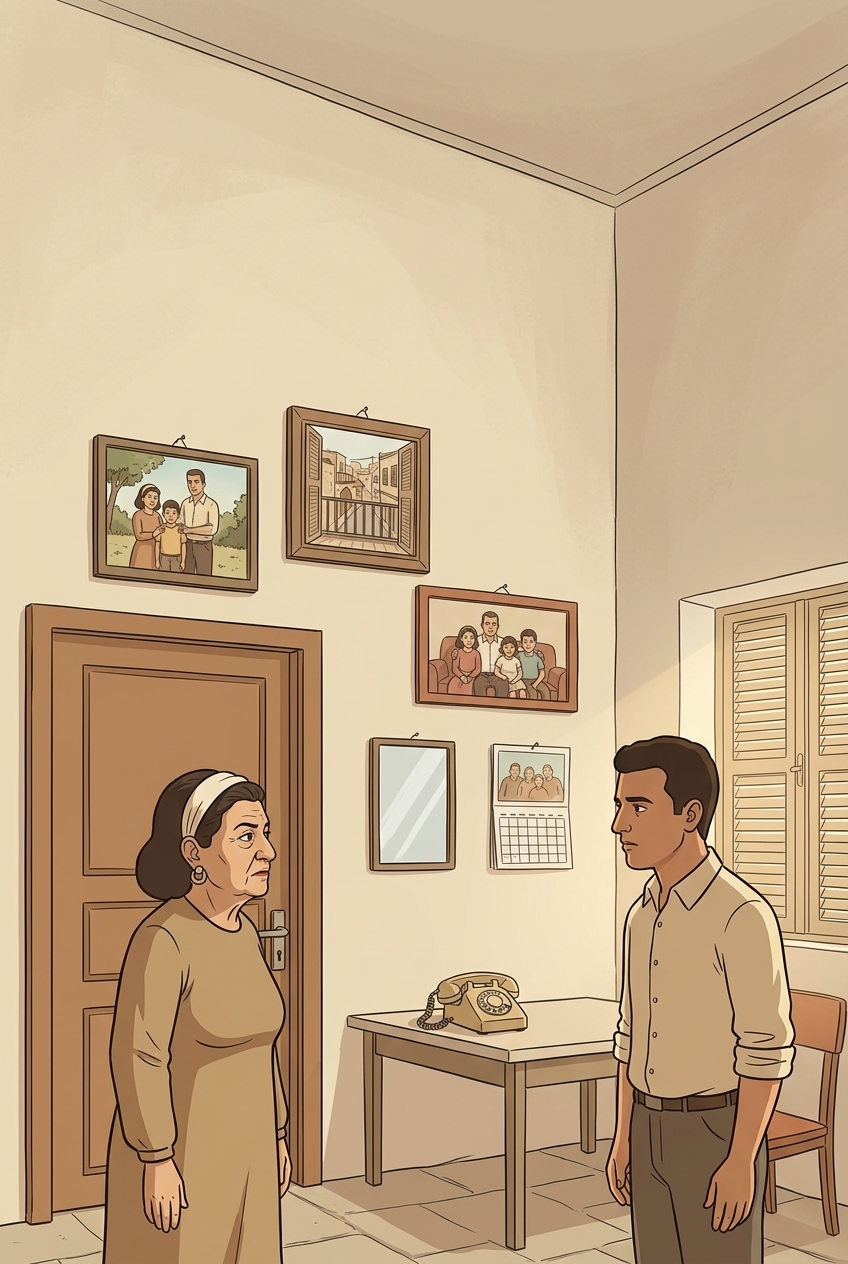
Years in Israel. Mary still calls each of her sons every evening. The middle son, now grown, has begun to ask the questions she has spent a decade not answering.
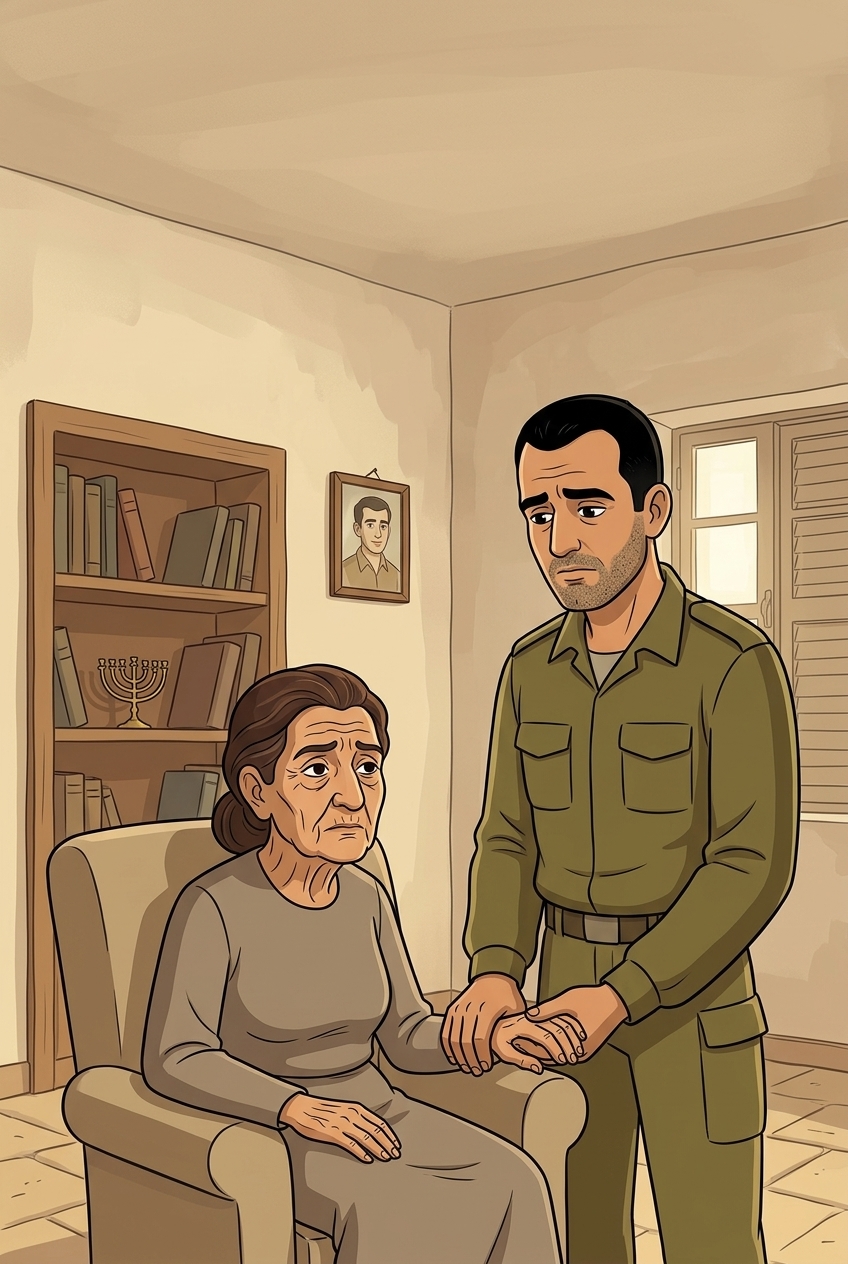
Mary is old now. Her hand in her son's hand is small. He stands before her in uniform. She tells him, again, to come home in one piece. He holds her hand and lets her say it.
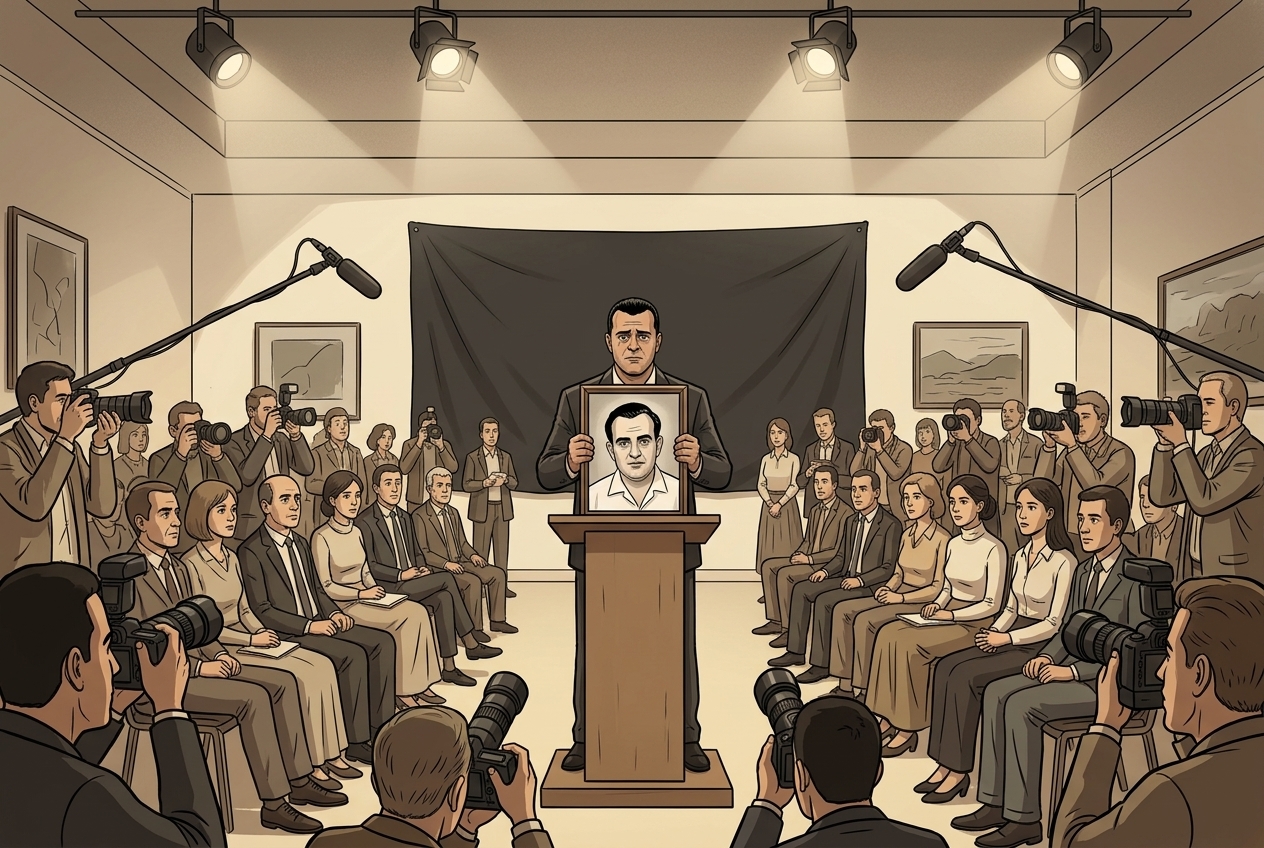
His son stands before the cameras and asks the world, again, to remember his father. Forty years have passed. He has carried this voice since he was nine. He is not here to celebrate. He is here to plead — for any word, any sign, any answer. He holds his father's photograph the way Mary once held the phone.
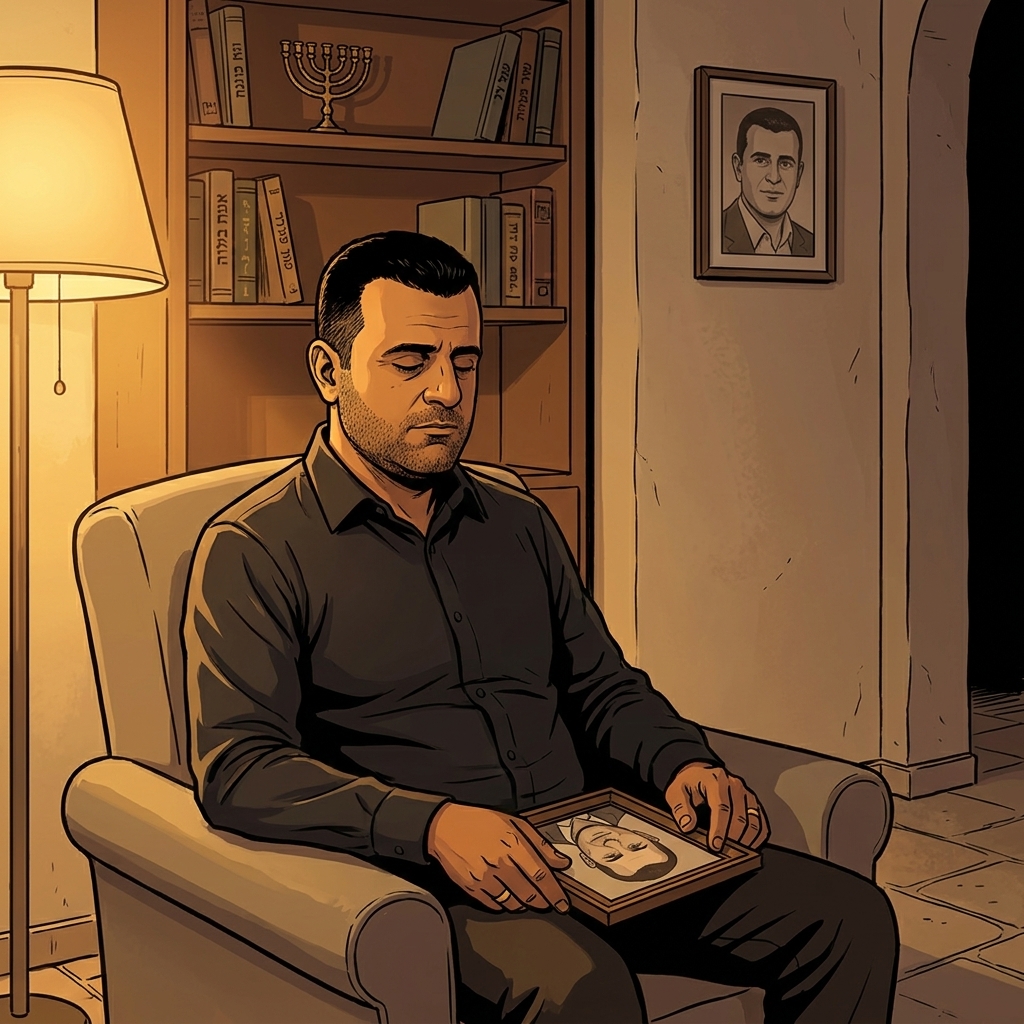
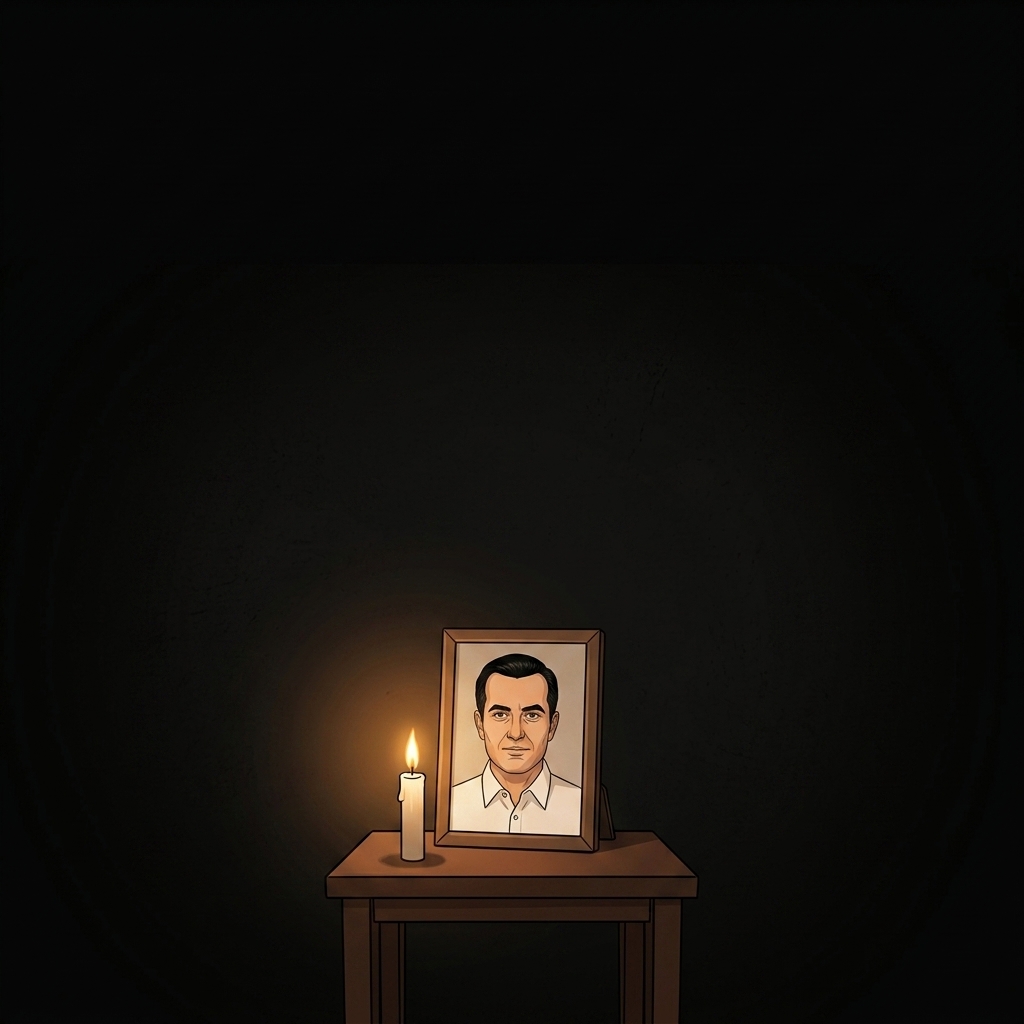
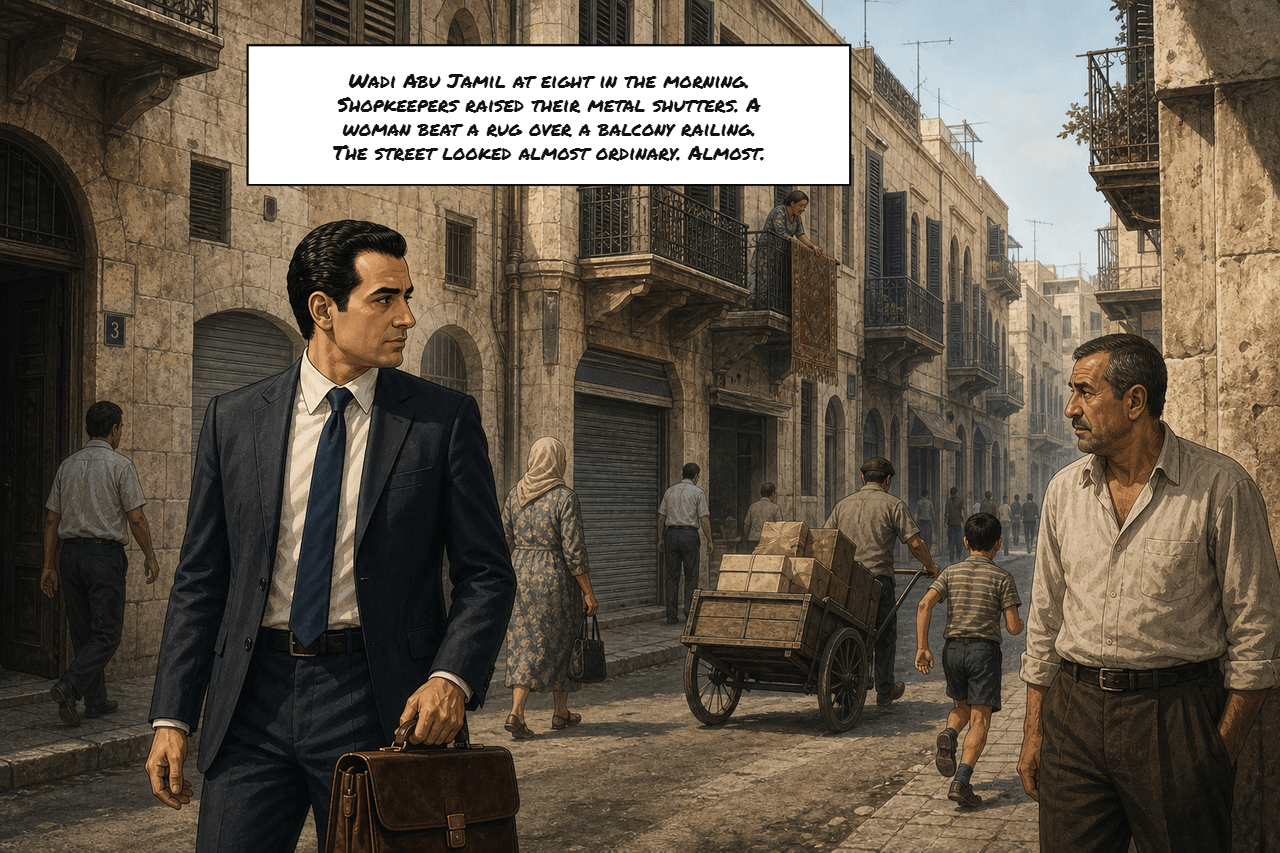
Shlomo (Salim) Jamous was abducted in Beirut on August 15, 1984 — taken from his office beside the Maghen Abraham Synagogue in Wadi Abu Jamil. He is recognized among Harugei Malchut — the martyrs of the kingdom. His fate remains unknown. For over forty years, his family has searched for answers. We are still waiting.
In the press
Selected coverage and documentary record — from contemporary reporting on the 1984 kidnapping campaign, to Moshe Jamous’s 2025 public appeal, to the official Israeli recognition of Shlomo as Harugei Malchut.
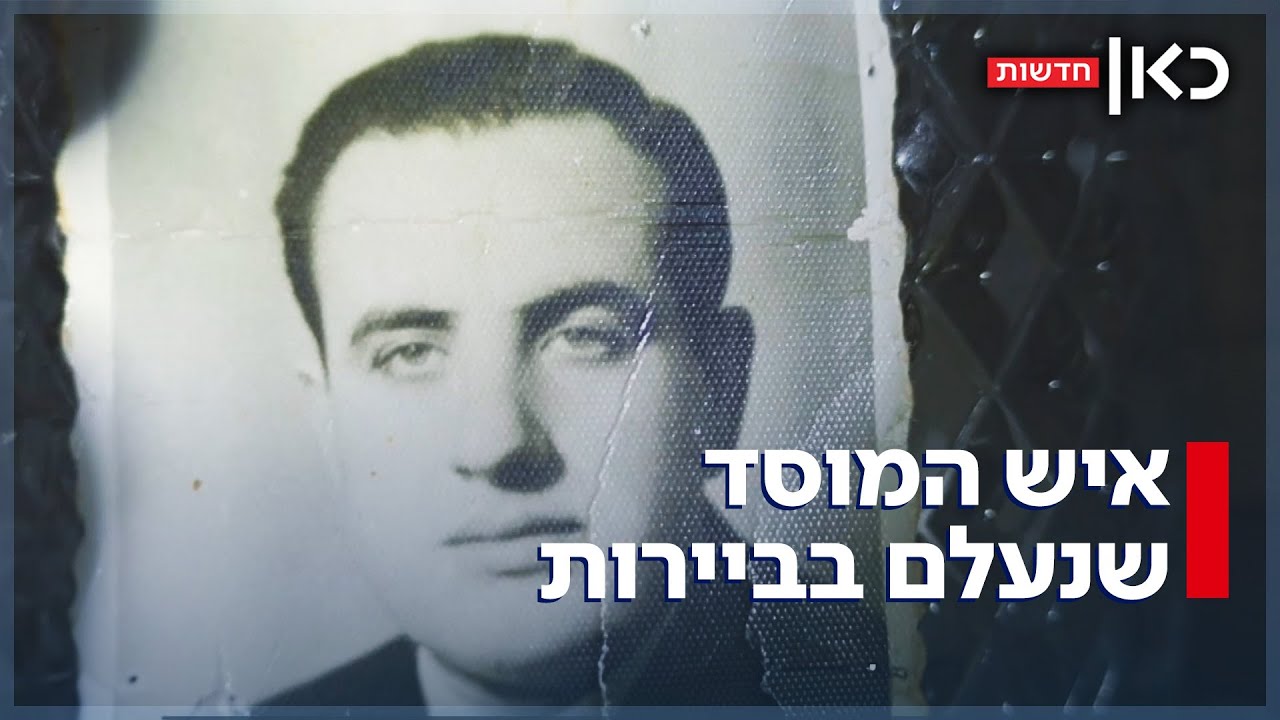
Watch interviewKan 11 NewsFebruary 5, 2025Hebrew
Our Man in Beirut — Where Did the Mossad Agent Kidnapped in Lebanon Disappear?
L'Orient Today2025English
Family of Lebanese Jew kidnapped in 1984 urges Israel to uncover his fate
Times of Israel (French)2025French
A Lebanese Jewish family kidnapped in 1984 wants to know his fate
The Washington PostNovember 18, 1985English
Jewish Telegraphic AgencyApril 3, 1985English
Background Report: The Kidnapping of Lebanese Jewish Leaders
WikipediaHebrew
Bituach LeumiHebrew
Harugei Malchut — National Insurance Institute official record
Press kitOne-page brief with verified facts, family contacts, and a list of available assets. For journalists.
Follow the story
Share his story
The single most useful thing most people can do is make sure his name keeps reaching new eyes.
If you can help
If you have information, or know someone who might — a journalist, a diplomat, someone who was in Beirut then — please reach out. Every detail matters.
- Email: katashmoshe@gmail.com
- Phone: +972 52 317 0085
or send a message